Category:Bassett-Lowke Ltd
| Toy Brands and Manufacturers |
|---|
|
Bassett-Lowke Ltd |
| 1899 - |
.jpg)

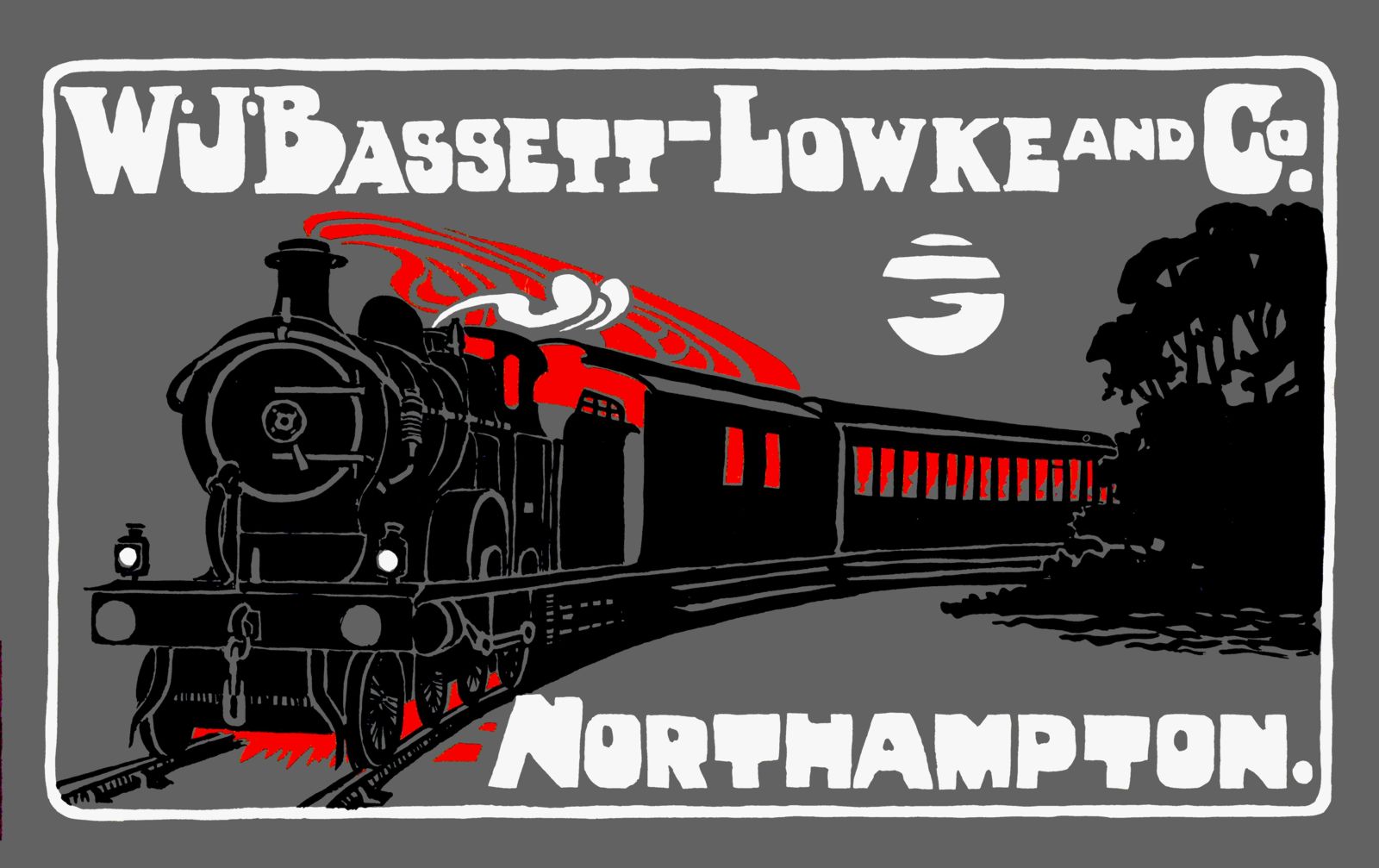
1904: Bassett-Lowke catalogue cover [image info]
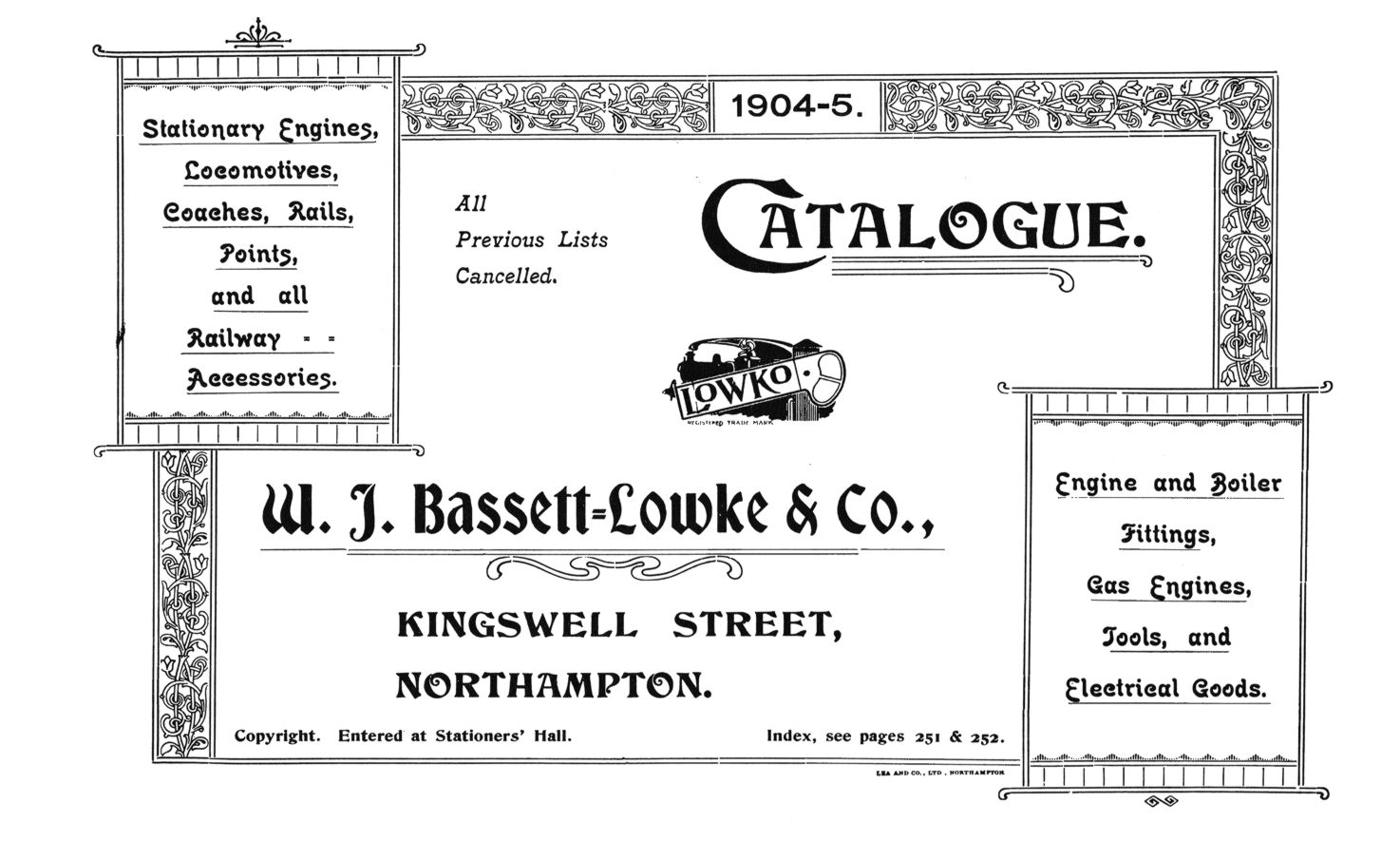
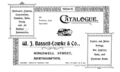
1904: Bassett-Lowke catalogue, titlesheet [image info]
.jpg)
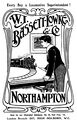
1909: W.J. Bassett-Lowke & Co., "Every Boy a Locomotive Superintendent!" [image info]
.jpg)
1925: Bassett-Lowke Model Railways advert [image info]

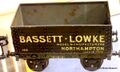
Private Owner's Wagon, Bassett-Lowke Model Engineers, gauge 0 [image info]
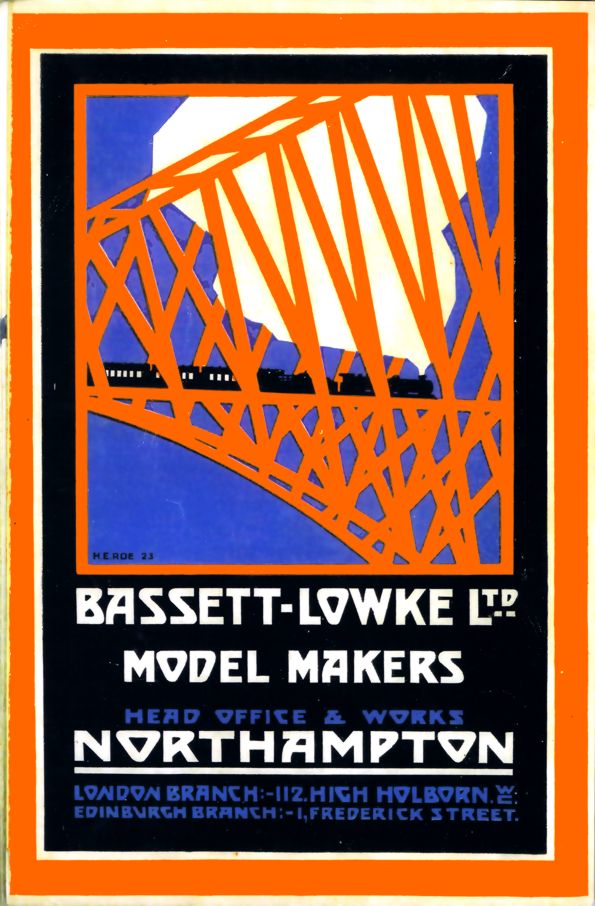
Bassett-Lowke, Model Makers catalogue cover [image info]
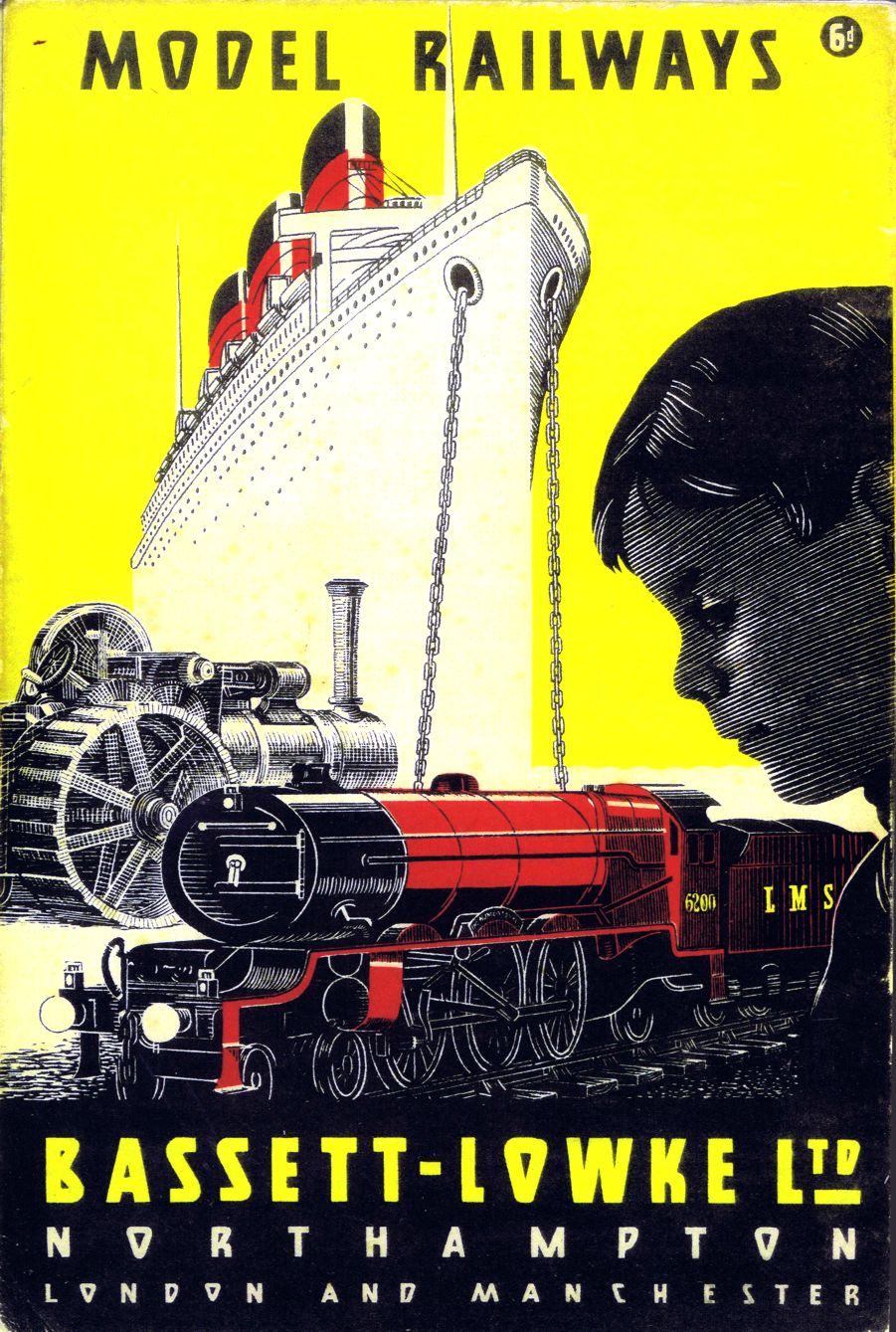
Bassett-Lowke Catalogue, Section A [image info]
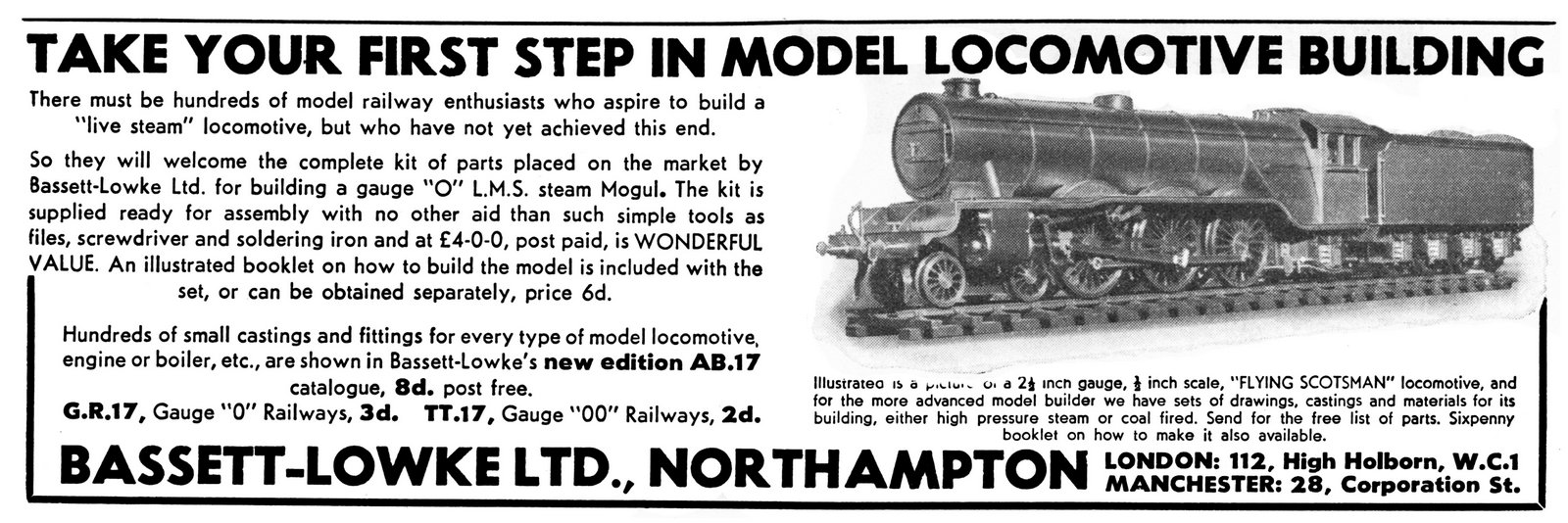
1940: "Take your forst step in model locomotive building" [image info]
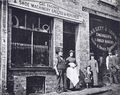
The Bassett-Lowke company started as a model engineering supplies company in 1899, and became a limited company in 1909. It was founded by Wenman Joseph Bassett-Lowke and H.F.R Franklin, with the help of WJ's father. The company's initial premises were a site owned by the Bassett-Lowke family's boilermaking business (of which Franklin had been the company accountant), and it went on to become one of the country's largest suppliers of medium and large-gauge model railways, model ships, and exhibition models.
The company name is often abbreviated to B-L by enthusiasts. Where the influence of an outside primary manufacturer is recognisable, models may sometimes be referred to by collectors as being "Bing for B-L", or "Carette for B-L", .

Key engineers and designers
Helped by Percival Marshall, WJ assembled a formidable pool of talent for his new business. George Winteringham had designed some mass-producable model railway track, and in 1902 he joined the company and ran a new B-L factory space, Winteringham Ltd., aided by engineer James Mackenzie. The talented small-scale model railway engineer Henry Greenly joined as a consulting engineer to produce new designs, and in 1904 became the engineer for an offshoot B-L company to produce exhibition small-scale railways and garden railways, Miniature Railways of Great Britain. When the first London showroom was opened in 1908 it was run by Edward W. Hobbs, a well-known marine architect who then proceeded to churn out a range of ship and boat designs for B-L, and introduced the company's waterline models range in 1913. The company produced its first architectural model in 1912, and in 1913 brought in model aero engineer and artist Ernest Twining to continue this side of the business, via Twining Models Ltd. Twining also designed much of the company's distinctive Art Nouveau corporate artwork.
Product ranges
In 1905, the Bassett-Lowke range was split across three catalogues: Section A (Model railways), Section B (Engineering) and Section S (Ships). By the mid-1930s, the three-way distinction in their advertising was between gauge 0 model railways, larger-gauge railways, and ships (with Twining having their own separate booklet for architectural models).
At the outbreak of WW2, the 00-gauge range of Trix Twin Railway was added as a "core" category (without the Trix name), perhaps because the conflicts over control that Stefan had had with WJ were now over, with Stefan facing being removed as a Director due to his German citizenship (Stefan was interned in 1940, and didn't survive the war).
The B-L catalogues also carried accessories, sets of castings and plans to build your own locomotives and ships, stationary steam engines (from Stuart Turner and German companies), and a selected range of items from other manufacturers, such as the Anchor Blocks company's metal construction system, and Structo kit cars.

.jpg)
History
1899-1914
Starting as a spare parts model engineering supplies company, an encounter with Stefan Bing at a Paris trade fair convinced both men that there was a market for new model trains based on British locomotives (as opposed to the "continental-only" designs then being produced by German companies). WJ then drew up a design based on the LNWR 4-4-0 locomotive, which Bing put into production.
The success of this first locomotive encouraged WJ to source more German-made locomotives and rolling stock, from Bing, Georges Carette and Märklin. These were initially mostly quite Germanic-looking models, sometimes re-finished in British railway company livery, with B-L emphasising that the models were "in correct colours", perhaps to divert attention from the less-than-correct bodyshapes. However, as the business grew, and B-L became a more and more important client, and supplied further designs and feedback, their German suppliers got to produce more and more faithful reproductions of British locos, carriages and wagons. A high-point was the contract with Georges Carette to produce 30,000 well-finished lithographed tinplate models of a Caledonian Railway locomotive and West Coast carriage, which were sold as a marketing exercise in conjunction with the CR at bargain prices through stands at railways stations, boosting the public's appetite for model railways.
Ramsay's Guide lists the most popular models of the period as the "Precursor" tank locomotive, George the Fifth, Sydney, Deeley Compound, GNR "Atlantic" and Sir Sam Fay.
The Great War and beyond
World War One ended stopped B-L from importing any more German trains, and increased the focus on Winteringham and UK suppliers. After a pause in toy production during the War (when B-L made precision gauges for other manufacturing work), B-L found that their model ship business boomed as shipping lines rebuilt their fleets to make up the war losses, and wanted models of their newbuilds, with B-L often being the default supplier. As a Frenchman living in Germany, Georges Carette had found that he could no longer operate his business, and B-L acquired the Carette tooling and designs and started to manufacture the equivalents of the earlier Carette pieces in-house in the UK.
B-L retooled with more emphasis on bulk mass-production rather then individually hand-crafted pieces, and the focus on gauge 0 made it easier for them to sell into a wider market. However, the anti-German sentiment after WW1 meant that the hold that the German manufacturers had previously had on the market was now broken, and Meccano Ltd. began making gauge 0 train sets. Hornby's early clockwork-only pieces were far more toyish than B-L's engineered steam-powered models (and priced accordingly), but increased in sophistication from about 1929 onwards.
B-L had carried the slightly experimental Bing Tabletop Railway range from 1922 onwards, and then cooperated with Stefan Bing in the design and manufacture of the next-generation range, the 1935 Trix Express range, with Stefan organising the manufacture of the mechanisms and German bodyshapes, and B-L designing and building the UK-styled bodyshells, at Winteringham. When the rise of the Nazi Party in Germany made conditions intolerable for Stefan, WJ helped Stefan to move to the UK and start manufacturing Trix Twin Railways at the Winteringham site.
World War Two
Bassett-Lowke spent WW2 producing lots of models as the war effort required new recruits to be trained as quickly as possible, and it was now recognised that models of ships and aircraft made it easier to train recruits in how to identify friendly and enemy aircraft and ships, or to find their way around ships or technical equipment. Bassett-Lowke models were used to plan the D-Day landings, and to train operators to assemble the Mulberry Harbours and other new equipment.
Post-War
After the second World War, the need to rebuild Britain's bombed-out infrastructure resulted in a lot of new buldings and a great demand for architectural models. However, the period was less kind to the other Bassett-Lowke ranges. The main market for model railways was now 00-gauge, and although "Trix Twin" wasn't as expensive as Hornby Dublo, it also didn't look as expensive - the Hornby product benefited from Meccano Ltd.'s expertise of diecasting good-looking metal bodies for the Dinky Toys range, and by comparison, the TTR range (whose main selling point had been technical innovation rather than artistic looks) suffered. TTR also found itself having to compete with cheaper plastics manufacturing, a subject that the company knew little about and found it difficult to embrace. With even less understanding of the new low-priced mass-market than Meccano Ltd. (who went bust twice), B-L went into a period of decline and ended up going through a series of buyouts that typified the toy industry in the late C20th.
1904: Catalogue text:
ENTRE NOUS.
THE daily increasing demand for our goods places upon us the responsibility of ever improving our manufactures, the variety of patterns of fittings, introduction of novelties, and the clearness and accuracy of description of the numerous articles catalogued by us in every branch of the Model Engineering trade.
We are confident that even a cursory glance at this, our New Catalogue, will more than satisfy our customers that we have left nothing to be desired in the way we have carried out the whole of this responsibility.
We still have the best equipped Model Engineering Works in the United Kingdom, and produce goods of one quality and workmanship only, The Best, which cannot be equalled for Price and quality elsewhere. This fact is worth pages of testimonials.
Some of the goods here shown, though not our own manufacture, are specially selected by us from the stocks of most reliable manufacturers having the highest reputation.
We make the rapid execution of Letter Orders a Speciality, being executed the same day as received. The popularity of many of our goods is such that runs frequently occur. To avoid inconveniencing our customers we have enlarged our Stock-rooms, but should nevertheless be greatly obliged if intending purchasers would place their orders promptly.
We shall be pleased to undertake special work, for which full particulars and drawings must be supplied, also to make castings from customers' own patterns in Iron, Gun Metal, Brass, or Aluminium.
With grateful thanks for the support given us in the past, we look forward with every confidence to its continuance in the future, knowing that our persistent aim at advance and improvement will keep us ahead of all our competitors and enable us to give the public a better article at a more reasonable price.
Very obediently your Servants,
W. J. BASSETT-LOWKE & Co.
1931: "Hobbies" magazine article:
THE ROMANCE OF A FAMOUS FIRM: The Editor visits the famous firm of W.J. Bassett-Lowke, Ltd.
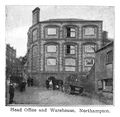
THERE is in a model of anything a never-ending source of fascination, unbounded opportunity for the display of ingenuity, and intriguing romance. The urge has been strong upon me for a long time to pay a visit to that world-renowned factory where the world's best models are produced – the firm of W. J. Bassett-Lowke, Ltd., Northampton. The urge must have been particularly strong, a fact you will realise when I mention that I drove thirty miles to catch the 9 o'clock train from Euston to Northampton. By a purely fortuitous circumstance, Mr. W. J. Bassett-Lowke, beaming enthusiasm and radiating good humour was also on the train, and in my journey to Northampton he imparted to me something of that enthusiasm which his models seemed to have imbibed. This enthusiasm I soon found upon arrival at his works permeated his managers, his hundreds of employees and his office staff. The splendid finish of his models seemed to reflect the care and attention of their creator as I passed by. I must confess to a feeling of amazement at the sight which unfolded itself as I passed from machine to machine, from assembly bench to assembly bench, from department to department, and finally to the stores. The illustrations on these pages convey but little of the vast organisation behind Bassett-Lowke models. A mere visit of one day would not suffice to convey to the visitor the history behind this firm. Directly you enter its portals, famous, inanimate, yet lively things spring to life, for it is true to say that there is scarcely a locomotive or a ship of the past or present which has not been faithfully reproduced in bijou form down to the last detail in the works of Bassett- Lowke. My astonishment increased when I saw the vast army of skilled engineers and model makers, the many power presses, lathes, grinding machines, delicate and intricate press tools, the paint-spraying apparatus, and the well-organised system of progressive manufacture and assembly. Literally, raw material goes in at one end of the factory, and the finished product comes out at the other. There is no other factory, I repeat, in the world where such realism is imparted to models.
A Bassett-Lowke model is not a toy, nor is it comparable in any way to the German monstrosities which soon disappoint their owners. We have all seen those splendid and remarkable large models of steamships and locomotives at exhibitions, in the board-rooms of shipping companies and in museums. In almost every case these amazing pieces of workmanship have emanated from the Bassett-Lowke factory. I must confess I had no idea even after years of contact with models and model making of the degree of skill which Mr. Lowke demands in his works. These large models of ships and locomotives – scale models all of them – cost hundreds of pounds, and my visit dispelled any doubt that Mr. Bassett-Lowke manufactured only these expensive models costing hundreds of pounds. Not so. Take the splendid scale model Enterprise which you see illustrated in these pages. I saw this manufactured from sheet tin to its finished form. Even the lines on the boiler were painted on by hand, not transferred.
We all know that the power of a steam engine depends on the fit of the piston in its cylinder. Examine any Bassett-Lowke piston and cylinder and you will find (as I saw with my own eyes) that every piston is ground to diameter and then lapped in until it fits its cylinder accurately. A large number of viewers inspect the work in its progress and I can assure my readers that the tiniest flaw and inaccuracy is noticed and the part sent back for rectification. Every locomotive is given a running test, and it is little wonder that no Bassett-Lowke locomotive fails to work satisfactorily or to delight its owner.
In spite of all the care expended in the manufacture of Bassett-Lowke models, you can buy the Enterprise for the very low sum of 50s. I almost forgot to mention that the metal parts of the locomotives have their colours lithographed on them before they are punched out. In this form they pass through the factory and are really unscratched. Mr. Lowke, however, is not satisfied. He insists upon a further stoving or sweating operation to impart a beautiful gloss. The slightest scratch due to works handling is remedied in the finishing shop. There is little wonder that the vast numbers of skilled enthusiasts which Mr. Lowke has gathered round him, coupled with his indefatigability and love of models, has earned for the firm an unassailable reputation for quality and accuracy. You can buy a Bassett-Lowke model for a few shillings or for hundreds of pounds – the quality is the same throughout.
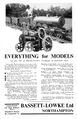
All this intensive endeavour, concentrated on the production of British models, is responsible for the name of Bassett-Lowke being accepted as the hall mark of refinement, accuracy and extreme value for money. The literature and catalogues issued by the firm reflect in great measure this quality and the firm's reputation. Perhaps the term "catalogue" is hardly he correct word to apply, for no other firm in the trade issues such a comprehensive handbook. They are really text-books on models and model making, and if you want to make a scale model of anything your wisest course is to consult one of the Bassett-Lowke books. One very interesting brochure entitled "Run your own railway", is a fascinating document. It will come to you free if you mention this paper. For the other catalogues a purely nominal charge is made. They are well worth it. Two of them are before me as I write: the first, "Everything for Models", is a handbook of no fewer than 296 illustrated pages of everything related to model making, fie scale drawings, photographs, facts, figures and formulae; yet it comes to you for the modest sum of 1s. Another, "Scale Model Ships", is a handbook of ninety-four pages costing 6d. You have not a long address to remember – Bassett-Lowke, Northampton is sufficient.
Mr. Lowke, I thank you for an interesting day, which was at once an education and an entertainment.
— , The Editor, , Hobbies weekly, , 7th November 1931
Bassett-Lowke today
Bassett-Lowke ceased trading in 1965, although the name resurfaced on some products in the late 1960s and mid-1990s. Corgi bought the company's assets and launched a new "gauge 0" Bassett-Lowke range under the umbrella name "Corgi Classics". Corgi was then bought by Hornby in 2008. The "Bassett-Lowke" brand was used by Hornby for a range of 0-gauge locomotives and rolling stock built using traditional sheet-metal techniques, but the company's page is not currently active (as of early 2014). The role of supplying finely-finished metal gauge 0 locomotives is now carried largely by ACE Trains.
Identifying "unusual" historical B-L pieces can be difficult - Bing had vast ranges of toys and parts in their catalogues, so the range of items produced by Bassett-Lowke, including variations and custom orders, defies any attempt at a complete listing. Toys and models based on German stock designs were often "Britishised" with UK locomotive numbers and railway liveries or modified in other ways, and with a workforce of craftsmen "finishers" who could essentially build bespoke toys and models to order by adapting stock mechanisms and parts, so it's not unusual to find "B-L"-manufactured items that don't seem to appear in any published listing or catalogue.
In the museum
The listing below is not a complete listing of the B-L pieces that we have on display in the museum - the listing will be expanded as and when we have more time.
The museum's Bassett-Lowke collection can't include the outdoor railway or exhibition model ranges, for reasons of space (both display space and storage space).
See also:
Further information
books
- Pat Hammond, Ramsay's British Model Trains Catalogue (6th Edition, 2008) pp.73-94 ISBN 9780955619489
- Roland Fuller and Allen Levy, The Bassett-Lowke Story (New Cavendish Books, 1982) ISBN 0904568342
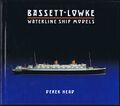
- Derek Head, Bassett-Lowke Waterline Ship Models (New Cavendish Books, 1999) ISBN 1872727727
other sources
- The Joy of (Train) Sets, BBC4 "Timeshift" s12ep7 (bbc.co.uk) - one-hour documentary on the early UK model railway industry
- The Bassett-Lowke Society (bassettlowkesociety.org.uk)
- Bassett-Lowke Catalogue covers (wiswin.nl)
Subcategories
This category has the following 32 subcategories, out of 32 total.
B
- Bassett-Lowke Aircraft (2 F)
- Bassett-Lowke gauge 1 (28 P, 17 F)
- Bassett-Lowke gauge 2 (6 P, 3 F)
- Bassett-Lowke gauge 3 (3 P, 3 F)
- Bassett-Lowke Society (BLS) (3 F)
- Bing Table Railway (clockwork) (4 P, 12 F)
- Bing Table Railway (electric) (9 P, 4 F)
C
E
- Edward W. Hobbs (2 F)
H
J
M
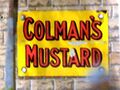
- Miniature enamelled posters (25 F)
N
- Nuways dollhouse furniture (Bassett-Lowke) (12 P, 41 F)
R
- Ravenglass and Eskdale Railway (empty)
T
- The Bassett-Lowke Archive (8 F)
W
- W.H. Hull and Son (1 P, 2 F)
Pages in category ‘Bassett-Lowke Ltd’
The following 138 pages are in this category, out of 138 total.
A
B
- Banana Van GN 39284, gauge 2 (Carette for Bassett-Lowke)
- Bassett-Lowke duplicate private owner's railway wagon (5" gauge)
- Bassett-Lowke gauge 0 catalogue (circa 1937)
- Bassett-Lowke gauge 0 catalogue (circa 1939)
- Bassett-Lowke Legacy project
- Bassett-Lowke Model Engineers wagon (Bassett-Lowke)
- Bassett-Lowke Model Engineers wagon, gauge 1 (Carette for Bassett-Lowke)
- Bassett-Lowke stationary steam engines
- Bekonscot Model Village
- Bing Table Railway train set, electric (Bing 11-750-2)
- Black Prince locomotive 2631 (Bing with Bassett-Lowke, gauge 3)
- BR 46100 Royal Scot (Bassett-Lowke)
- BR 60103 Flying Scotsman (Bassett-Lowke)
- Brown carriage, US market (Bing Table Railway)
- Brown observation carriage, US market (Bing Table Railway)
- Burrell-type 3/4-inch scale traction engine GK1962 (Bassett-Lowke)
C
- Caledonian Railway locomotive 142 (Bassett-Lowke gauge 0)
- Cardean locomotive 903 (Carette for Bassett-Lowke)
- Cargo vessel (Bassett Lowke)
- Carpet (Nuways model furniture 8450-1)
- Chamberlain figure (Heyde for Bassett-Lowke)
- Charlie Chaplin figure (Heyde for Bassett-Lowke)
- Clock for Overmantel (Nuways model furniture 8303)
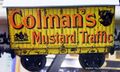
- Colman's Mustard Traffic wagon (Carette for Bassett-Lowke)
- Colmans Starch Traffic Wagon, gauge 1 (Carette for Bassett-Lowke)
- Coronation locomotive 6220 (Bassett-Lowke)
- Coronation Scot carriage (Trix Twin Railway)
- Coronation Scot First Class Brake Car 6202 (Exley for Bassett-Lowke)
- Coronation Scot First Class Car 7720 (Exley for Bassett-Lowke)
- Coronation Scot Kitchen Car 2704 (Exley for Bassett-Lowke)
- Coronation Scot Kitchen Car 2707 (Exley for Bassett-Lowke)
- Coronation Scot Restaurant Car 7507 (Exley for Bassett-Lowke)
- Coronation Scot Third Class Brake Car 7602 (Exley for Bassett-Lowke)
- Coronation Scot Third Class Car 4104 (Exley for Bassett-Lowke)
- Coronation Scot Third Class Car 4107 (Exley for Bassett-Lowke)
- Coronation Scot Third Class Car 5027 (Exley for Bassett-Lowke)
- County of Northampton locomotive 3410 (Bing for Bassett-Lowke, gauge 1)
- County of Northampton locomotive 3410 (Bing for Bassett-Lowke, gauge 3)
D
F
G
- George Bernard Shaw figure (Heyde for Bassett-Lowke)
- George the Fifth locomotive 2663 (Bing / Bassett Lowke)
- George the Fifth locomotive LMS 5320 (Bing / Bassett Lowke)
- GNR 0-4-0 tank locomotive 1422 (Carette for Bassett-Lowke)
- GNR 1442 locomotive (Carette for Bassett-Lowke)
- GNR 2-4-0 electric tank locomotive (Bing Table Railway)
- GNR N1 tank locomotive 190 (Bing for Bassett Lowke gauge 1)
- Great Central Railway coach, gauge 1 (Bing for Bassett-Lowke)
- Great Western 0-6-0 tank locomotive 2783 (Beeson for Bassett-Lowke)
- Green carriage, US market (Bing Table Railway)
- Guard's Van GN 10959, gauge 2 (Carette for Bassett-Lowke)
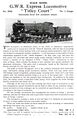
- GWR locomotive 2936 "Titley Court" (Bing for Bassett-Lowke, gauge 1)
H
K
L
- LBSCR tank locomotive 11 (Bing for Bassett-Lowke)
- LBSCR tank locomotive 11, gauge 1 (Bing for Bassett-Lowke)
- Level Crossing, three-rail (Bing Table Railway)
- LMS 2-4-0 electric tank locomotive (Bing Table Railway)
- LNER 33 Mogul locomotive (Bassett-Lowke gauge 1)
- LNER 504 2-4-0 clockwork locomotive with tender (Bing Table Railway)
- LNER 504 2-4-0 clockwork tank locomotive (Bing Table Railway)
- LNER goods wagon (Bing Table Railway)
- LNER teak-effect coaches (Bing Table Railway)
- LNWR 2-4-0 clockwork tank locomotive (Bing Table Railway)
- LNWR locomotive 1269 (Bing for Bassett-Lowke)
- LNWR locomotive 2222 "Sir Gilbert Claughton" (Bing for Bassett-Lowke, gauge 1)
- Locomotive LMS 1168 (Trix Twin Railway)
- Locomotives, by W.J. Bassett-Lowke and Paul B.Mann (Puffin Picture Books)
- LSWR Baggage Car No133 (Carette for Bassett-Lowke)
- LSWR Baggage Car No133, gauge 1 (Carette for Bassett-Lowke)
- LSWR M7-Class locomotive 109 (Bing for Bassett Lowke)
- LSWR M7-Class locomotive 109, gauge 1 (Bing for Bassett Lowke)
- LSWR Passenger Carriage 1328 (Carette for Bassett-Lowke)
- LSWR Passenger Carriage 1328, gauge 1 (Carette for Bassett-Lowke)
M
- Marvellous Models, by WJ Bassett-Lowke (Puffin Picture Book)
- Melton Hall locomotive LNER 2838 (Bassett-Lowke)
- Merchant Taylors Schools-Class loco SR 910 (Märklin for Bassett-Lowke)
- Midland Railway locomotive 2178 (Bing for Bassett-Lowke gauge 1)
- Midland Railway locomotive 999 (Bing / Bassett-Lowke)
- Model Flat (Bassett-Lowke)
- Model railway speed controller, roller (Bing Table Railway)
- Model railway speed controller, studs (Bing Table Railway)
- Mulliner Motor Car Traffic wagon (Bassett-Lowke, gauge 1)
O
- Octagonal Heals Book Table (Nuways model furniture 8500-4)
- Open wagon GN 18335, gauge 2 (Carette for Bassett-Lowke)
- Open wagon, BL MM, gauge 1 (Carette for Bassett-Lowke)
- Open wagon, CR (Carette for Bassett-Lowke)
- Open wagon, GE (Carette for Bassett-Lowke)
- Open wagon, WH Hull, gauge 1 (Carette for Bassett-Lowke)
P
- Percival Marshall railway bookstall (Bassett-Lowke)
- Pilot tank locomotive, 4-4-0, gauge 2, 1902 (Bing)
- Postal Carriage, LNWR 1339, gauge 0 (Carette for Bassett-Lowke)
- Postal Carriage, LNWR 1339, gauge 1 (Carette for Bassett-Lowke)
- Precursor locomotive LNWR 513 (Bing for Bassett Lowke gauge 1)
- Precursor Tank locomotive LNWR 44 (Bing for Bassett-Lowke, gauge 1)
- Pullman 12-wheel Dining Saloon 13210 (Georges Carette for Bassett-Lowke, gauge 1)
- Pullman first class car (Bing for Bassett-Lowke, gauge 1)
- Pullman first class car 1921 (Bing for Bassett-Lowke, gauge 1)
S
- Signal Box (Bing Table Railway)
- Silver King locomotive LNER 2511 (Bassett-Lowke 4606)
- Sir Alexander clockwork locomotive, Great Central 1014, gauge 1 (Bing for Bassett-Lowke)
- Smokers Set (Nuways model furniture 8169)
- Standard Lamp (Nuways model furniture 8300-1)
- Standard Tank Locomotive 112 (Bing for Bassett-Lowke, gauge 1)
- Streamlinia motor boat (Bassett-Lowke)
T
- Tank locomotive GC 165 (Bing for Bassett-Lowke, gauge 2)
- Tank locomotive NLR 88, 4-4-0, gauge 1 (Bing for Bassett-Lowke)
- The Bassett-Lowke Story, by Roland Fuller
- Three-coach Southern Electric Train set, green (Trix Twin Railway 5/375)
- Timeline for Bassett-Lowke Ltd
- Toys are Important, by W J Bassett-Lowke (WomansMagazine 1932-10)
- Twining Models miniature tinplate enamelled poster (Bassett-Lowke)
- Two-position turntable, three-rail (Bing Table Railway)
- Two-position turntable, two-rail (Bing Table Railway)
Media in category ‘Bassett-Lowke Ltd’
The following 200 files are in this category, out of 372 total.
(previous page) (next page) Ad Bassett-Lowke MM Aug1939.jpg 581 × 762; 116 KB
 Amy Johnson cast lead figure (Heyde for Bassett-Lowke).jpg 1,419 × 1,898; 1.1 MB
 Area 30.jpg 1,200 × 1,199; 1.08 MB
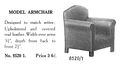 Armchair (Nuways model furniture 8520-1).jpg 1,984 × 1,097; 394 KB
 Arsenal 2848 locomotive (Bassett-Lowke).jpg 1,200 × 900; 613 KB
 Bassett-Lowke catalogue 1904-5 cover.jpg 1,600 × 1,007; 151 KB
 Bassett-Lowke catalogue 1937-38 CSblue back.jpg 908 × 603; 71 KB
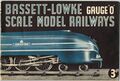 Bassett-Lowke catalogue 1937-38 CSblue front.jpg 910 × 611; 90 KB
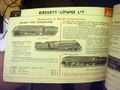 Bassett-Lowke catalogue 1937-38 streamliners.jpg 1,280 × 960; 244 KB
 Bassett-Lowke catalogue 1938-39 CSred back.jpg 911 × 607; 77 KB
 Bassett-Lowke catalogue 1938-39 CSred front.jpg 913 × 607; 95 KB
 Bassett-Lowke Twin Train Table Railway 1938 catalogue.jpg 1,326 × 2,000; 803 KB
 Bassett-Lowke, Model Makers, catalogue cover art orange-blue.jpg 595 × 906; 105 KB
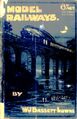 Model Railways (revised), by WJ Bassett-Lowke.jpg 543 × 841; 78 KB
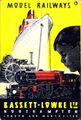 Model Railways, Bassett-Lowke Ltd.jpg 901 × 1,339; 267 KB
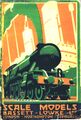 Scale Models, Bassett-Lowke Ltd, green-orange.jpg 906 × 1,347; 247 KB
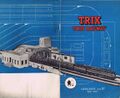 Trix Twin Railway catalogue, 1939-1940.jpg 1,200 × 978; 201 KB
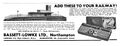 Ashfield Station and Southern train set, Bassett-Lowke (MM 1941-09).jpg 1,600 × 618; 198 KB
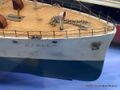 Azalea steam yacht, electric model (Bassett-Lowke).jpg 1,200 × 900; 665 KB
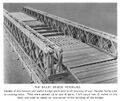 Bailey Bridge model, 1-6-scale (Bassett-Lowke, WW2).jpg 1,200 × 1,011; 234 KB
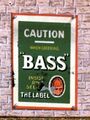 Bass, enamelled tinplate miniature poster.jpg 602 × 800; 379 KB
 Bassett and Sons, Northampton premises, Kingswell Street (1880s).jpg 2,640 × 2,079; 1.01 MB
 Bassett-Lowke 'Swifta' boat (1935-06).jpg 791 × 1,031; 119 KB
 Bassett-Lowke - Every Boy a Locomotive Superintendent (MRaL 1909-04).jpg 1,415 × 2,200; 468 KB
 Bassett-Lowke 2-6-2 LMS 94 Tank Locomotive restoration (Chris Littledale).jpg 1,705 × 1,800; 665 KB
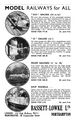 Bassett-Lowke advert (SRMT 1939).jpg 1,015 × 1,600; 317 KB
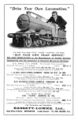 Bassett-Lowke advert GardenRailways March1911.jpg 785 × 1,209; 186 KB
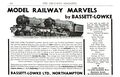 Bassett-Lowke advert Royal Scot Flying Scotsman.jpg 2,492 × 1,602; 334 KB
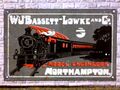 Bassett-Lowke and Co, enamelled tinplate miniature poster.jpg 800 × 600; 333 KB
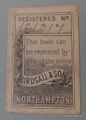 Bassett-Lowke Archive Preview 005.jpg 431 × 600; 188 KB
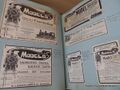 Bassett-Lowke Archive Preview 023.jpg 1,200 × 900; 625 KB
 Bassett-Lowke Archive Preview 074.jpg 1,200 × 900; 638 KB
 Bassett-Lowke Archive Preview 088.jpg 1,200 × 900; 651 KB
 Bassett-Lowke Archive Preview 092.jpg 1,200 × 900; 638 KB
 Bassett-Lowke Archive Preview 101.jpg 1,200 × 674; 482 KB
 Bassett-Lowke Archive Preview 104.jpg 1,200 × 1,064; 735 KB
 Bassett-Lowke Archive Preview 105.jpg 1,200 × 900; 606 KB
 Bassett-Lowke Archive Preview 106.jpg 1,200 × 900; 675 KB
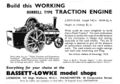 Bassett-Lowke Burrell-type Traction Engine (MM 1959-11).jpg 1,583 × 1,107; 262 KB
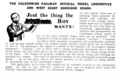 Bassett-Lowke Caledonian loco launch 1910.jpg 769 × 470; 83 KB
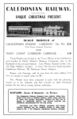 Bassett-Lowke CardeanLoco advert Nov1910.jpg 771 × 1,196; 147 KB
 Bassett-Lowke carpet, being cleaned (DFP2016).jpg 1,600 × 1,067; 1.19 MB
 Bassett-Lowke catalogue 1904-5 titlesheet, small.jpg 1,474 × 885; 166 KB
 Bassett-Lowke Edinburgh Shop, 1 Frederick Street (BL-B 1924).jpg 1,024 × 791; 151 KB
 Bassett-Lowke Empire of India 4490, detail.jpg 1,024 × 768; 371 KB
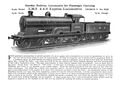 Bassett-Lowke Garden Railways George the Fifth, overview (BL-MR 1937-11).jpg 2,296 × 1,622; 645 KB
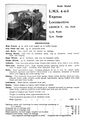 Bassett-Lowke Garden Railways George the Fifth, specifications (BL-MR 1937-11).jpg 1,561 × 2,177; 513 KB
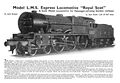 Bassett-Lowke Garden Railways Royal Scot 6100, overview (BL-MR 1937-11).jpg 2,202 × 1,529; 641 KB
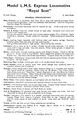 Bassett-Lowke Garden Railways Royal Scot 6100, specifications (BL-MR 1937-11).jpg 1,465 × 2,287; 547 KB
 Bassett-Lowke Garden Railways, gauges (BL-MR 1937-11).jpg 1,748 × 2,679; 786 KB
 Bassett-Lowke Garden Railways, LNER Atlantic 9.5 gauge (BL-MR 1937-11).jpg 1,520 × 2,192; 607 KB
 Bassett-Lowke Garden Railways, overview (BL-MR 1937-11).jpg 1,780 × 2,701; 761 KB
 Bassett-Lowke grey high-sided wagon (Carette for Bassett-Lowke).jpg 1,200 × 719; 687 KB
 Bassett-Lowke GWR 2936, Titley Court (BL-MR 1937-11).jpg 1,472 × 2,276; 616 KB
 Bassett-Lowke Head Office, Northampton, 1929.jpg 1,545 × 1,501; 302 KB
 Bassett-Lowke Limited, advert, Immingham, Precursor Tank (MRaL 1909-07).jpg 1,417 × 2,200; 451 KB
 Bassett-Lowke London Shop, 112 High Holborn (BL-B 1924).jpg 1,024 × 845; 143 KB
 Bassett-Lowke London Showroom, tinplate sign (1930s).jpg 1,661 × 456; 316 KB
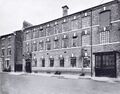 Bassett-Lowke Ltd, Head Office and warehouse.jpg 1,600 × 1,257; 555 KB
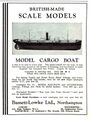 Bassett-Lowke model cargo boat advert.jpg 1,152 × 1,524; 207 KB
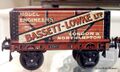 Bassett-Lowke Model Engineers wagon.jpg 1,200 × 720; 698 KB
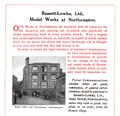 Bassett-Lowke Model Works, Northampton (BLB 1929-03).jpg 800 × 776; 125 KB
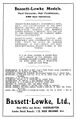 Bassett-Lowke Models and their Imitations (MRaL 1912-10).jpg 776 × 1,200; 181 KB
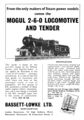 Bassett-Lowke Mogul 2-6-0 locomotive (MM 1957-12).jpg 1,575 × 2,256; 460 KB
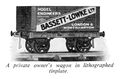 Bassett-Lowke private owners wagon (MRH12ed 1942).jpg 1,439 × 948; 181 KB
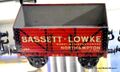 Bassett-Lowke red high-sided wagon (Carette for Bassett-Lowke).jpg 1,200 × 719; 667 KB
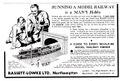 Bassett-Lowke Royal Scot advert complete.jpg 1,150 × 777; 178 KB
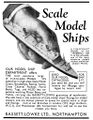 Bassett-Lowke Scale Model Ships (MM 1933-12).jpg 792 × 1,024; 163 KB
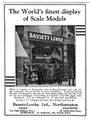 Bassett-Lowke shop advert.jpg 1,117 × 1,487; 229 KB
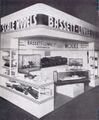 Bassett-Lowke stand, British Industries Fair 1939.jpg 993 × 1,200; 229 KB
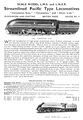 Bassett-Lowke streamliners, Coronation, Coronation Scot, Silver Link (BLMR 1937-11).jpg 1,481 × 2,148; 550 KB
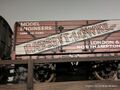 Bassett-Lowke style private owner's wagon, five-inch-gauge.jpg 1,200 × 901; 604 KB
 Bassett-Lowke text 1937.jpg 3,389 × 736; 135 KB
 Bassett-Lowke title 1937.jpg 2,805 × 397; 82 KB
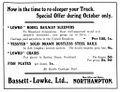 Bassett-Lowke track, Lowko, Tessted (MRaL 1912-10).jpg 1,024 × 785; 124 KB
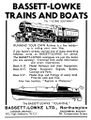 Bassett-Lowke trains and boats (MM 1934-06).jpg 775 × 1,024; 162 KB
 Bassett-Lowke Van, Days Gone (Corgi DG043048).jpg 800 × 460; 252 KB
 Bassett-Lowke Waterline Ship Models, Derek Head, ISBN 1872727727.jpg 800 × 707; 66 KB
 Bassett-Lowke WW2 advert (MRH12ed 1942).jpg 1,032 × 1,600; 333 KB
 Bassett-Lowke yellow advertising railway van.jpg 1,200 × 900; 609 KB
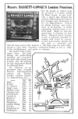 Bassett-Lowke's London Premises 1910.jpg 798 × 1,221; 213 KB
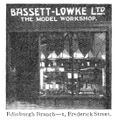 Bassett-Lowke, 1 Frederick Street (BL-B 1924).jpg 1,073 × 1,092; 179 KB
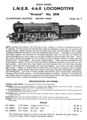 Bassett-Lowke, Arsenal 2848, gauge 0 (BL-MR 1937-11).jpg 1,541 × 2,128; 513 KB
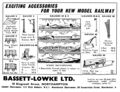 Bassett-Lowke, Exciting Accessories (MM 1958-01).jpg 2,881 × 2,201; 808 KB
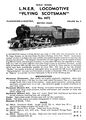 Bassett-Lowke, Flying Scotsman, gauge 0 (BL-MR 1937-11).jpg 1,545 × 2,152; 562 KB
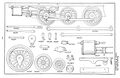 Bassett-Lowke, Flying Scotsman, gauge 0 components (BL-MR 1937-11).jpg 2,544 × 1,644; 522 KB
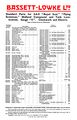 Bassett-Lowke, Flying Scotsman, gauge 0 components list (BL-MR 1937-11).jpg 1,597 × 2,485; 739 KB
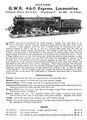 Bassett-Lowke, King George V 6000, gauge 0 (BL-MR 1937-11).jpg 1,541 × 2,130; 510 KB
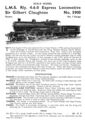 Bassett-Lowke, LMS 5900 Claughton (BL-MR 1937-11).jpg 1,517 × 2,136; 557 KB
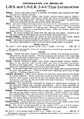 Bassett-Lowke, LMS LNER, 2-6-0, gauge 1 (BL-MR 1937-11).jpg 765 × 1,087; 246 KB
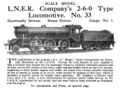 Bassett-Lowke, LNER Mogul 33, gauge 1 (BL-MR 1937-11).jpg 1,525 × 1,159; 328 KB
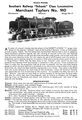 Bassett-Lowke, Merchant Taylors 910, gauge 0 (BL-MR 1937-11).jpg 1,526 × 2,226; 610 KB
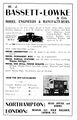 Bassett-Lowke, Model Engineers and Manufacturers (MRaL 1910).jpg 1,029 × 1,600; 290 KB
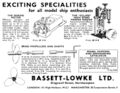 Bassett-Lowke, Model Ship Specialities (MM 1958-09).jpg 1,453 × 1,123; 280 KB
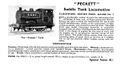 Bassett-Lowke, Peckett Saddle Tank gauge 1 (BL-MR 1937-11).jpg 1,200 × 654; 161 KB
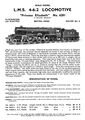 Bassett-Lowke, Princess Elizabeth, gauge 0 (BL-MR 1937-11).jpg 1,536 × 2,164; 511 KB
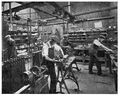 Bassett-Lowke, Repair Department photo (BL-MR 1937-11).jpg 929 × 746; 192 KB
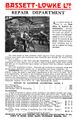 Bassett-Lowke, Repairs Department (BL-MR 1937-11).jpg 769 × 1,200; 233 KB
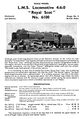 Bassett-Lowke, Royal Scot 6100, gauge 0 (BL-MR 1937-11).jpg 1,511 × 2,169; 571 KB
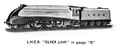 Bassett-Lowke, Silver Link, gauge 0 (BL-MR 1937-11).jpg 1,646 × 631; 121 KB
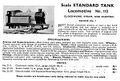 Bassett-Lowke, Standard Tank loco 112, gauge 1 (BL-MR 1937-11).jpg 1,200 × 810; 216 KB
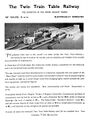 Bassett-Lowke, TTR (BL-MR 1937-11).jpg 882 × 1,200; 188 KB
 BDV cigarettes, enamelled tinplate miniature poster.jpg 603 × 800; 320 KB
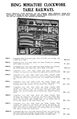 Bing Miniature Clockwork Table Railways (BTC).jpg 1,426 × 2,203; 672 KB
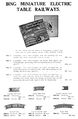 Bing Miniature Electric Table Railways (BTC).jpg 2,836 × 4,327; 920 KB
 Bing Miniature Railway, Bond's (MM 1935-11).jpg 1,138 × 748; 161 KB
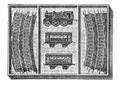 Bing Miniature Railway, lineart (MM 1935-11).jpg 1,176 × 834; 331 KB
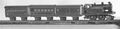 Bing Table Railway clockwork set, 1928 UK catalogue image.jpg 1,800 × 435; 214 KB
 Bing Table Railway electric set, 1928 UK catalogue image.jpg 1,800 × 319; 193 KB
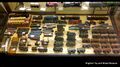 Bing Table Railway pieces (Collectors Market, 2015-11).jpg 2,000 × 1,124; 1.07 MB
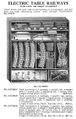 Bing Table Railway set 61-7300-3 (BingCatEn 1928).jpg 765 × 1,200; 319 KB
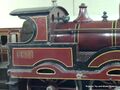 Black Prince loco MR 2631 (Bing, gauge 3).jpg 1,600 × 1,200; 1.13 MB
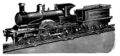 Black Prince loco, 1902 (Bing).jpg 1,600 × 753; 271 KB
 Blackpool architectural model, 1-480-scale, Bassett-Lowke Ltd, 1912.jpg 1,600 × 675; 252 KB
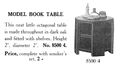 Book Table (Nuways model furniture 8500-4).jpg 1,745 × 975; 168 KB
 Bournemouth, 1-550-scale (Twining for Bassett-Lowke).jpg 823 × 1,200; 200 KB
 Bournville Cocoa, enamelled tinplate miniature poster.jpg 400 × 169; 53 KB
 Bovril, enamelled tinplate miniature poster.jpg 800 × 453; 264 KB
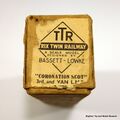 Box end label for Coronation Scot carriage (Trix Twin Railway).jpg 800 × 799; 381 KB
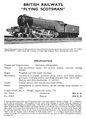 BR 60103 Flying Scotsman (BLCat0-00 1954).jpg 1,155 × 1,600; 419 KB
 Brass plate for Exhibition Models, Bassett-Lowke Ltd, Model Engineers, Northampton.jpg 2,200 × 1,238; 486 KB
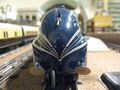 BTMM Coronation 6220 frontview TRD2012.jpg 2,000 × 1,500; 389 KB
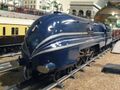 BTMM Coronation 6220 quarterview TRD2012.jpg 1,500 × 1,124; 275 KB
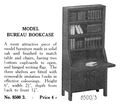 Bureau Bookcase (Nuways model furniture 8500-3).jpg 1,976 × 1,717; 403 KB
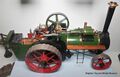 Burrell traction engine model, GK1962, Bassett-Lowke, angle view.jpg 2,600 × 1,661; 1.4 MB
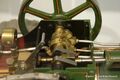 Burrell traction engine model, GK1962, Bassett-Lowke, detail.jpg 2,000 × 1,334; 1.31 MB
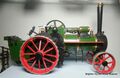 Burrell traction engine model, GK1962, Bassett-Lowke, side view.jpg 2,200 × 1,425; 1.11 MB
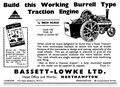 Burrell Traction Engine, Bassett-Lowke (MM 1954-05).jpg 2,000 × 1,450; 974 KB
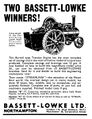 Burrell traction engine, Streamlinea motor boat, Bassett-Lowke (MM 1935-08).jpg 926 × 1,200; 243 KB
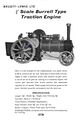 Burrell-type Traction Engine (BLCat 1962).jpg 1,348 × 2,000; 370 KB
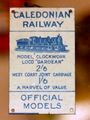 Caledonian Railway Official Models enamelled tinplate plaque.jpg 601 × 800; 259 KB
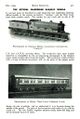 Caledonian set, Bassett-Lowke, model review (MRaL 1909-12).jpg 686 × 1,024; 138 KB
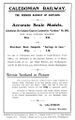 Cardean Bassett-Lowke train set, advert (MRaL 1909-12).jpg 640 × 1,024; 106 KB
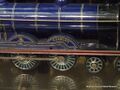 Cardean locomotive detail (Carette for B-L).jpg 1,024 × 768; 399 KB
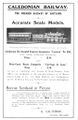 Cardean train set, advert (MRaL 1910-01).jpg 666 × 1,024; 108 KB
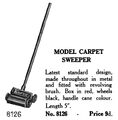 Carpet Sweeper, Anfoe (Nuways model furniture 8126).jpg 1,465 × 1,491; 180 KB
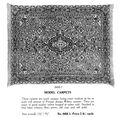 Carpets (Nuways model furniture 8450-1).jpg 3,001 × 2,962; 1.38 MB
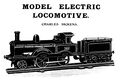 Charles Dickens locomotive 955, edited, Bassett-Lowke 1904 catalogue.jpg 2,577 × 1,798; 537 KB
 Colmans Mustard Traffic van (Carette for Bassett-Lowke).jpg 1,200 × 719; 228 KB
 Colmans Mustard, enamelled tinplate miniature poster.jpg 400 × 299; 28 KB
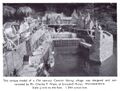 Cornish Fishing Village, 1-24-scale (Bassett-Lowke).jpg 1,200 × 905; 207 KB
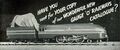 Coronation 6220 Bassett-Lowke ad 1939.jpg 4,324 × 1,802; 479 KB
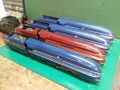 Coronation 6220 fleet (Bassett-Lowke).jpg 1,024 × 768; 156 KB
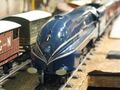 Coronation loco Area 01.jpg 640 × 480; 187 KB
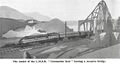 Coronation Scot model, British Empire Exhibition (MRN 1938-09).jpg 1,800 × 966; 379 KB
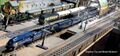 Coronation Scot nine-car train (Bassett-Lowke).jpg 1,200 × 562; 468 KB
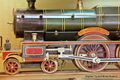 County of Northampton locomotive GWR 3410, gauge 3 (Bing for Bassett-Lowke).jpg 1,800 × 1,200; 1.42 MB
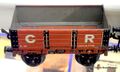 CR brown open wagon (Carette for Bassett-Lowke).jpg 1,200 × 721; 638 KB
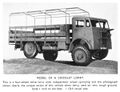 Crossley Lorry, 1-12-scale (Bassett-Lowke, WW2).jpg 1,200 × 920; 205 KB
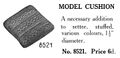 Cushion (Nuways model furniture 8521).jpg 1,405 × 677; 178 KB
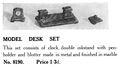 Desk Set (Nuways model furniture 8190).jpg 1,735 × 964; 205 KB
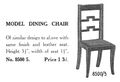 Dining Chair (Nuways model furniture 8500-5).jpg 1,740 × 1,194; 149 KB
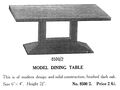 Dining Table (Nuways model furniture 8500-2).jpg 2,099 × 1,580; 282 KB
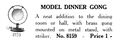 Dinner Gong (Nuways model furniture 8159).jpg 1,565 × 577; 95 KB
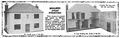 Dollhouse, Bassett-Lowke (HW 1932-12-10).jpg 2,000 × 640; 353 KB
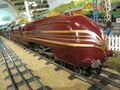 Duchess of Gloucester 6225 Bassett-Lowke.jpg 640 × 480; 204 KB
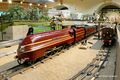 Duchess of Gloucester locomotive, LMS 6225 (Bassett-Lowke).jpg 2,200 × 1,469; 2.71 MB
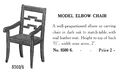 Elbow Chair (Nuways model furniture 8500-6).jpg 2,101 × 1,273; 191 KB
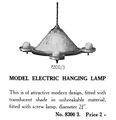 Electric Hanging Lamp (Nuways model furniture 8300-3).jpg 1,631 × 1,693; 172 KB
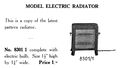 Electric Radiator (Nuways model furniture 8301-1).jpg 1,854 × 1,066; 146 KB
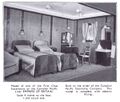 Empress of Britain liner model, stateroom, 1-3-scale (Bassett-Lowke).jpg 1,200 × 1,020; 235 KB
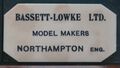 Engraved plaque, Bassett-Lowke exhibition model.jpg 2,400 × 1,355; 259 KB
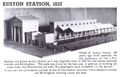 Euston Station in 1837, 1-48 (Bassett-Lowke, 1937).jpg 1,200 × 769; 178 KB
 Everyday Science, enamelled tinplate miniature poster.jpg 600 × 800; 377 KB
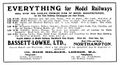 Everything for Model Railways, Bassett-Lowke advert (MRaL 1912-10).jpg 1,200 × 646; 158 KB
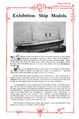 Exhibition Ship Models, Bassett-Lowke (BLB 1929-03).jpg 1,061 × 1,600; 300 KB
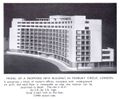 Finsbury Circus development, 1-64-scale (Bassett-Lowke).jpg 1,200 × 993; 191 KB
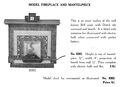 Fireplace and Mantlepiece (Nuways model furniture 8302).jpg 2,894 × 2,092; 562 KB
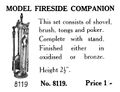 Fireside Companion (Nuways model furniture 8119).jpg 1,286 × 986; 124 KB
 Flotation model, King George V, 1-48-scale (Bassett-Lowke, WW2).jpg 1,200 × 1,104; 235 KB
 Flower Stand (Nuways model furniture 8510-1).jpg 1,493 × 1,847; 226 KB
 Flying Scotsman BR 60103 (BLCat 1952-autumn).jpg 3,000 × 1,987; 1.26 MB
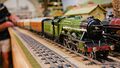 Flying Scotsman Train Running Day, BTMM October 2015.jpg 2,500 × 1,407; 1.82 MB
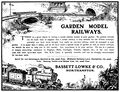 Garden Model Railways, Bassett-Lowke (Country Life 1904-05-21).jpg 3,000 × 2,291; 2.84 MB
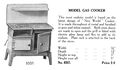 Gas Cooker, New World (Nuways model furniture 8351).jpg 2,663 × 1,554; 448 KB
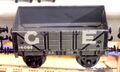 GE grey open wagon (Carette for Bassett-Lowke).jpg 1,200 × 720; 640 KB
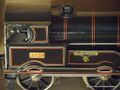 George the Fifth loco 2663, detail (Bing for Bassett-Lowke).jpg 1,024 × 768; 419 KB
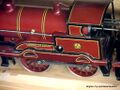 George the Fifth loco 5320, cab side (Bing for Bassett-Lowke).jpg 1,024 × 768; 565 KB
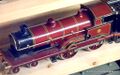 George the Fifth loco 5320, engine (Bing for Bassett-Lowke).jpg 1,024 × 640; 525 KB
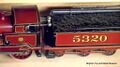 George the Fifth loco 5320, tender (Bing for Bassett-Lowke).jpg 1,024 × 575; 462 KB
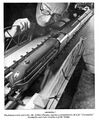 Gilbert Thomas and B-L Coronation 6220 (MRH12ed 1942).jpg 1,325 × 1,600; 464 KB
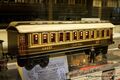 Great Central Railway coach, gauge1, 1904 (Bing for Bassett-Lowke).jpg 2,000 × 1,334; 1.63 MB
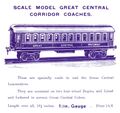 Great Central Railway coaches (BLCat 1904).jpg 2,000 × 1,876; 643 KB
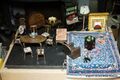 Grouping by maker (DHFP2016).jpg 1,600 × 1,067; 1.03 MB
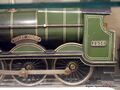 GWR 2936 loco 'Titley Court' (Bing for Bassett-Lowke, gauge 1).jpg 800 × 600; 264 KB
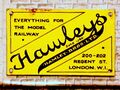 Hamleys, enamelled tinplate miniature poster.jpg 800 × 599; 359 KB
 Hazel Pullman Car, gauge 0, Bassett-Lowke (MM 1935-09).jpg 3,000 × 980; 1.37 MB
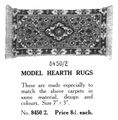 Hearth Rugs (Nuways model furniture 8450-2).jpg 1,497 × 1,525; 288 KB
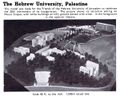 Hebrew University, Palestine, 1-540-scale (Bassett-Lowke).jpg 1,200 × 974; 225 KB
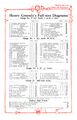 Henry Greenly's Full-size Diagrams, gauge 0 (BL-B 1924-10).jpg 1,025 × 1,600; 326 KB
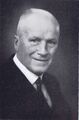 HFR Franklin, company portrait photo.jpg 525 × 800; 85 KB
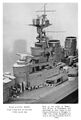 HMS Hood 1916, 1-64-scale (Bassett-Lowke).jpg 1,080 × 1,600; 274 KB
 Huntley and Palmers biscuits, enamelled tinplate miniature poster.jpg 800 × 600; 310 KB
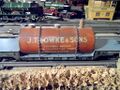 J.T. Lowke and Sons boiler (Bassett-Lowke).jpg 1,024 × 768; 530 KB
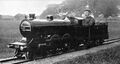 James Mackenzie and 15-inch-gauge steam locomotive.jpg 2,000 × 1,061; 448 KB
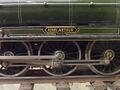 King Arthur loco, gauge 1 (Bing for Bassett-Lowke).jpg 1,200 × 900; 544 KB

.jpg)

.jpg)
.jpg)


,_by_WJ_Bassett-Lowke.jpg)


.jpg)
.jpg)
.jpg)

.jpg)
.jpg)
.jpg)
.jpg)

.jpg)


.jpg)


.jpg)

.jpg)

.jpg)
.jpg)
.jpg)
.jpg)
.jpg)
.jpg)
.jpg)
.jpg)
.jpg)

.jpg)
.jpg)
.jpg)


.jpg)
.jpg)
.jpg)
.jpg)
.jpg)

.jpg)


.jpg)


.jpg)
.jpg)
.jpg)

.jpg)


.jpg)
.jpg)
.jpg)
.jpg)
.jpg)
.jpg)
.jpg)
.jpg)
.jpg)
.jpg)
.jpg)
.jpg)
.jpg)
.jpg)
.jpg)
.jpg)
.jpg)
.jpg)
.jpg)
.jpg)
.jpg)

.jpg)
.jpg)
.jpg)
.jpg)


.jpg)
.jpg)
.jpg)
.jpg)

.jpg)
.jpg)


.jpg)
.jpg)


.jpg)


.jpg)
.jpg)
.jpg)

.jpg)
.jpg)
.jpg)
.jpg)
.jpg)
.jpg)

.jpg)
.jpg)

.jpg)
.jpg)

.jpg)

.jpg)
.jpg)
.jpg)
.jpg)
.jpg)
.jpg)
.jpg)
.jpg)
.jpg)
.jpg)
.jpg)
.jpg)

.jpg)
.jpg)
.jpg)
.jpg)
.jpg)

.jpg)

.jpg)
.jpg)
.jpg)
.jpg)
.jpg)
.jpg)
.jpg)
.jpg)

.jpg)
.jpg)
.jpg)
.jpg)
.jpg)
.jpg)
.jpg)
.jpg)
.jpg)
.jpg)
.jpg)
.jpg)

.jpg)
.jpg)
.jpg)
.jpg)

.jpg)

.jpg)

.jpg)




![[image info]](/index/File:Model_Railways,_Bassett-Lowke_(TRM_1925-01).jpg)
![[image info]](/index/File:Model_Locomotive_Building,_Bassett-Lowke.jpg)

