Category:Bing
| Toy Brands and Manufacturers |
|---|
|
Bing |
| 1860s - 1933 |


Bing "GBN" equipment plaque [image info]
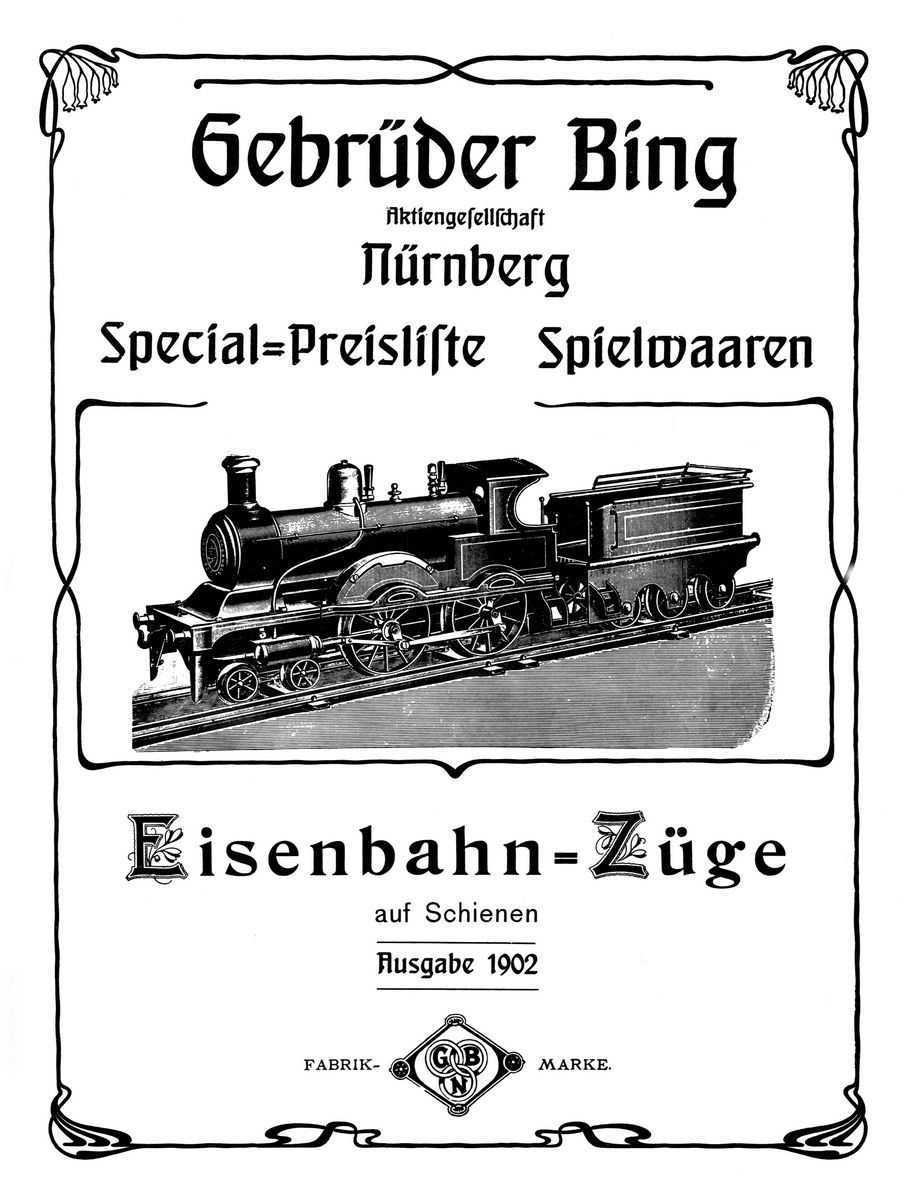
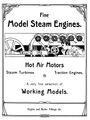
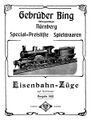
Gebruder Bing (Nurnburg), GBN 1902 catalogue page with Art Nouveau decoration [image info]
.jpg)
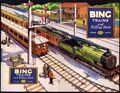
A later Bing Trains catalogue [image info]
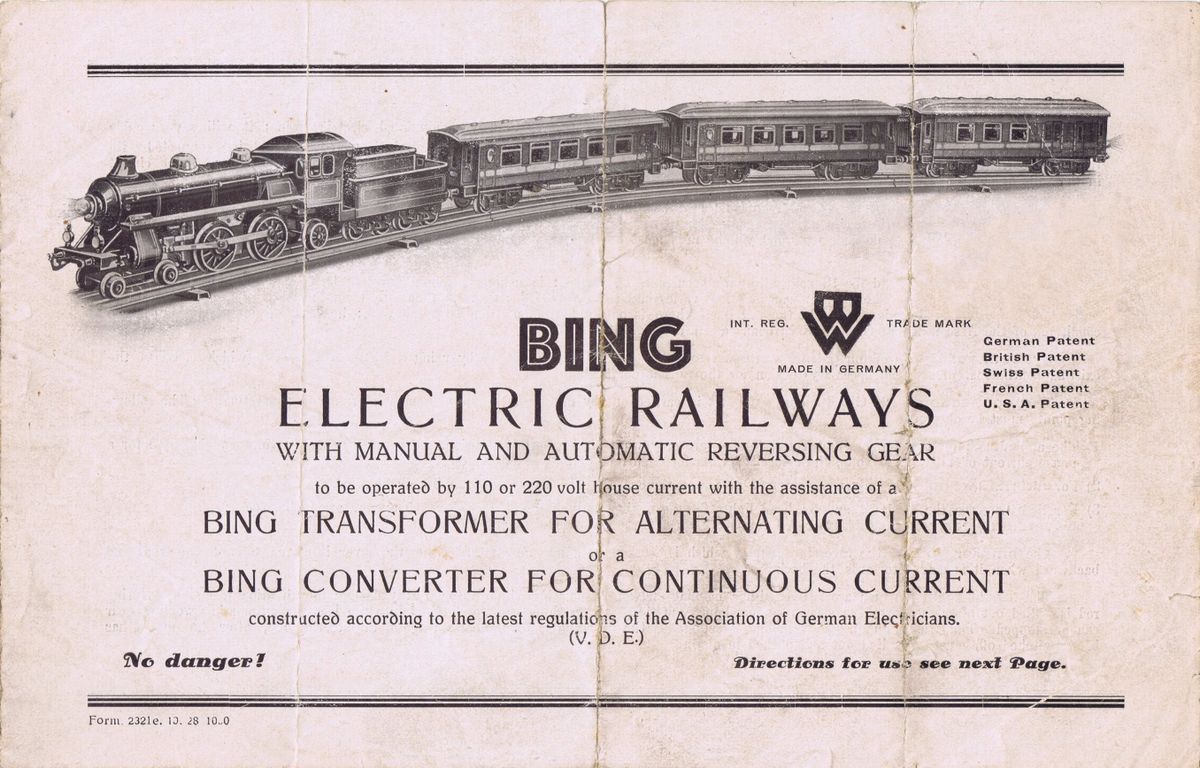
Bing Electric Railways. "No Danger!" [image info]
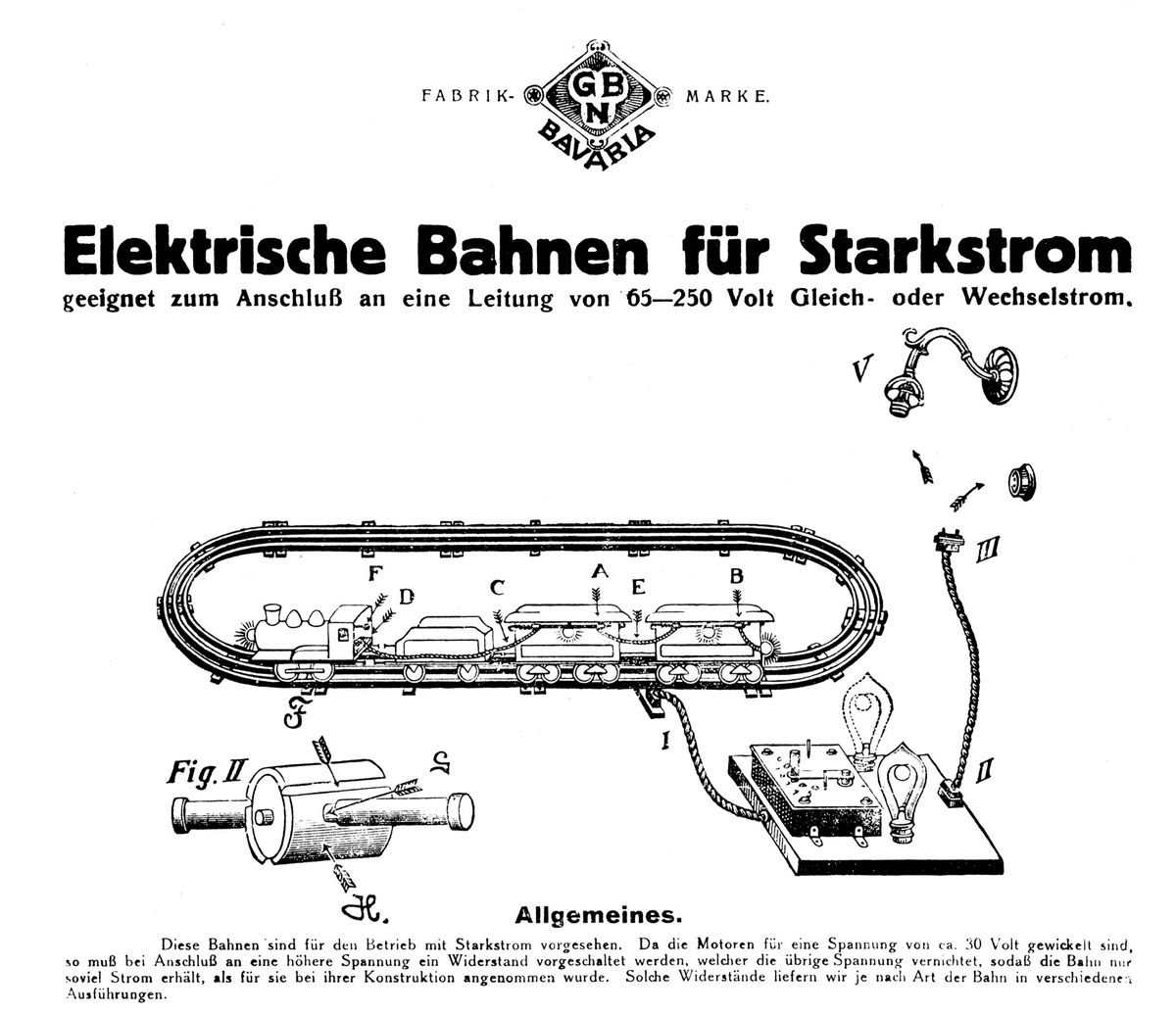
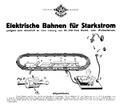
Connecting a Bing electric train to the mains power supply through a light socket [image info]
.jpg)
Bing Werke, catalogue page decoration [image info]
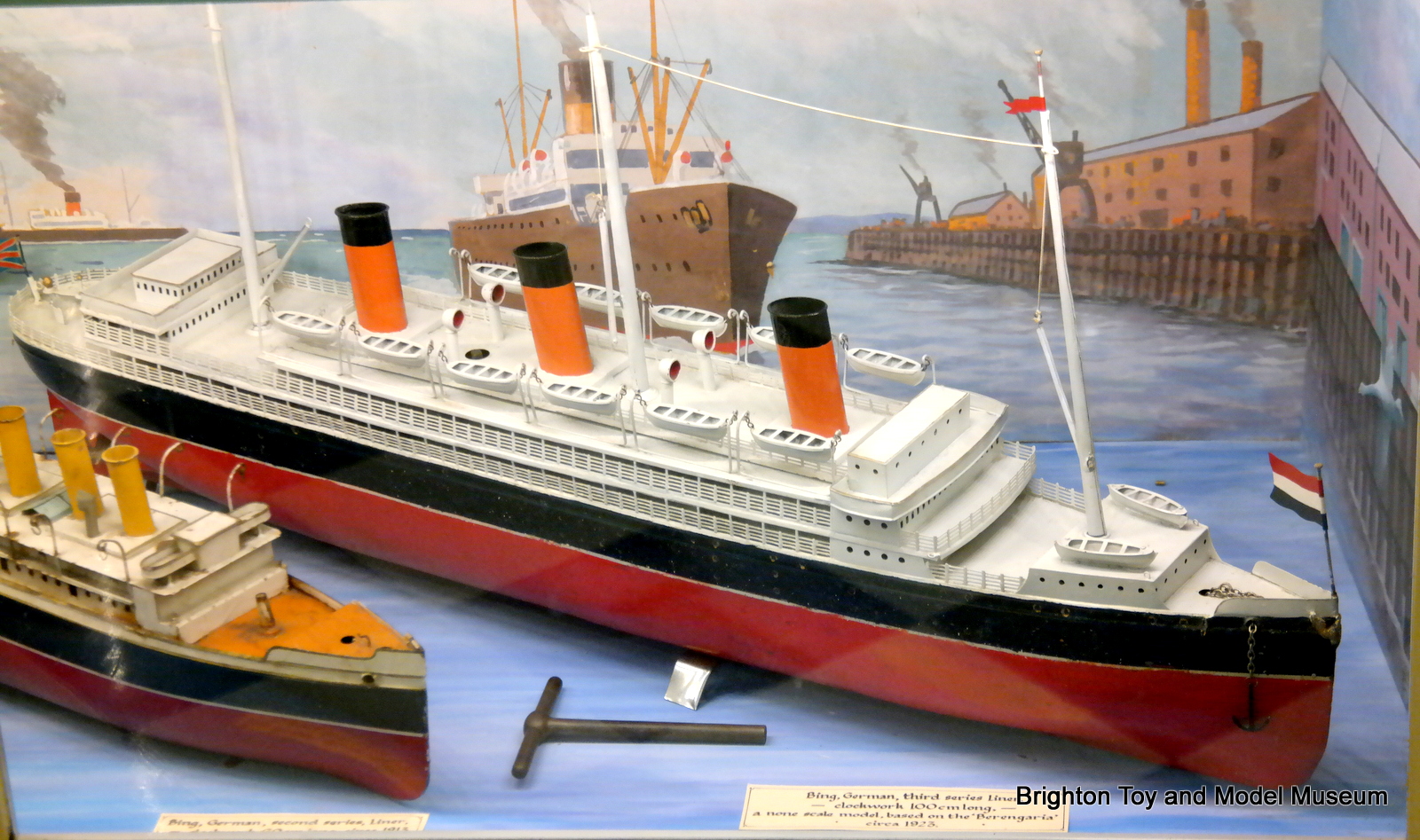
Bing Ocean Liner, Third Series, clockwork [image info]
.jpg)
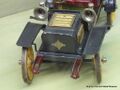
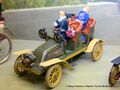
Bing clockwork "Tonneau" motor car [image info]
.jpg)
Bing 1926 "gauge 1" locomotive [image info]
The German toymaker Bing of Nuremberg was founded by Ignaz and Adolf Bing, and started making toys in Nuremburg in the early 1860's, officially incorporating as a manufacturer in 1895. The company grew rapidly between 1895 and 1914, and in the lead-up to WW1, the firm employed over 5000 people.
The company initially went under the name Gebrüder Bing (Bing Brothers) and by the initials GBN (for Gebrüder Bing, Nürnberg), and after the death of Ignaz at around the end of WW1, switched to the name Bing Werke (BW).
Bing was a staggeringly prolific toymaker, and by 1928, it was one of Germany’s leading toy manufacturers, with annual sales of around 27 million Deutschmarks that year. However, the trade depression that resulted in the Wall Street crash proved to be disastrous for Bing, and many of the firm's assets were taken over by Karl Bub, a rival manufacturer.

Range
As well as producing their own range of toy trains, track and trackside accessories and buildings, and manufacturing for Bassett-Lowke, Bing also produced toy boats, ships, cars and trams, as well as magic lantern equipment and slides, optical equipment, electric and steam motors and components, hot air engines, induction coils and other experimental electrical equipment including Gessler and Rontgen tubes, dynamos, powered fountains, science kits, and early telephone equipment.
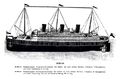
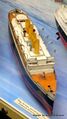
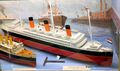
Bing also made boats, from about 1890 – 1914.
Model railways
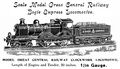
In the UK, Bing were perhaps best known for their early model railways, and Bing were one of the first companies in the world to produce toy trains that ran on track. Bing's early locomotives were very Germanic-looking, but a meeting in 1900 between W.J. Bassett-Lowke and Stefan Bing resulted in Bassett-Lowke's company importing Bing trains to the UK (repainted in "correct colours" for UK train companies), and also resulted in W.J. producing a design for a more English-looking locomotive for Bing to manufacture.
The close working relationship between the two companies (and exchange of information) continued to develop until it was disrupted by the outbreak of World War One.
Bing's teddybears and dolls
After adding teddy bears to its production lines in the early 1900's, Bing soon introduced clockwork mechanisms into these bears, with a wind-up key at the side or front. Soon, rollerskating, somersaulting and "footballer" bears were introduced to Bing’s lines.
Steiff claimed that Bing’s 1910 somersaulting bear copied their 1909 "Purzel-Bär", and the resulting lawsuit lasted for four years (1911-1915). Bing initially used a button-in-ear trademark, but Steiff took action against this, which led to Bing replacing the button with a metal arrow fixed under the ear. This was later replaced by a metal button under the arm – on condition that the word “button” was not used in the trademark.
A similar situation occurred around the same time with Bing's range of dolls, which seemed to be copies of the successful Käthe Kruse dolls – Bing didn't seem to realise that the designs were someone's intellectual property, re-used them, and were then forced legally to back down.
Bing Table Railway
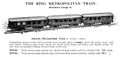
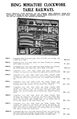
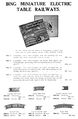
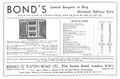
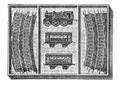
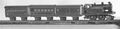
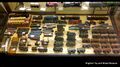
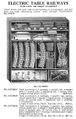
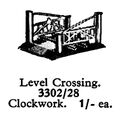
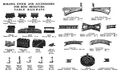
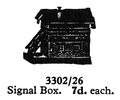
Bing introduced its Miniature Table Railway in 1922, and helped to launch new, smaller "half gauge 0" sized model trains. These models included rolling stock, track and accessories such as signals, signal boxes, level crossings and stations. The first miniature locomotives were driven by clockwork, and by 1925, electric versions were available.
Trix Express and TTR
The good working relationship between W.J. Bassett-Lowke and Stefan Bing survived the failure of Gebruder Bing, and when Stefan further developed the idea of half-scale tabletop railways within his own new company, Trix, Bassett-Lowke imported the trains and supplied localised designs and bodyshells for the UK market. With the rise of antisemitism in Germany, Stefan moved to the UK, and the Trix Express range was replaced by the Trix Twin Railway range (TTR), now manufactured in the UK, largely at B-L's Winteringham plant.
Foundation dates
Different sources give different dates for the start of the Bing brothers' company. German sources tend to give 1866 as the date of the foundation of Gebruder Bing in Nuremburg, the "Ace Editions" 1906 catalogue reprint says that Bing started in 1863 as retailers, but didn't start manufacturing tin toys until the 1880s.
References
- 1898 Bing toy catalogue
- The 1906 Bing Toy Catalogue, reprint, (New Cavendish Books 1991) ISBN 0904568520
- Bing Die Modellbahnen unserer Grossväter / Granddad's Model Railways: The fascinating history of an early Model Railway manufacturer and its production from 1866 to 1933 (-1966) (Verlag Eisenhbahn, 1972) ISBN 3856490175 – red cover, includes catalogue reproductions from 1882 onwards
- Bing Metall Spielwaren / Metal Toys 1927-1932 (Verlag Eisenbahn, 1986) ISBN 3856491236
Further reading
- Jack Tempest, Collecting Tin Toys with foreword by Andrew Hilton (Collins 1987), ISBN 0004122755
- Gwen White, Toys, Dolls, Automata – Marks and Labels (B.T. Batsford Ltd, London, 1975, reprinted 1985), ISBN 0731429569
- Pauline Cockrill, The Teddy Bear Encyclopedia (Dorling Kindersley 1993, 2001), ISBN 0751333913
External links
Subcategories
This category has the following 14 subcategories, out of 14 total.
0
- Bing gauge 0 (15 P, 7 F)
1
- Bing gauge 1 (18 P, 16 F)
2
- Bing gauge 2 (5 P, 5 F)
3
- Bing gauge 3 (2 P, 3 F)
B
- Bing British (1 P, 2 F)
- Bingoscope (1 F)
C
- Bing cars (4 P, 6 F)
M
- Bing miscellaneous (13 P, 3 F)
S
- Bing ships and boats (4 P, 3 F)
- Bing stationary steam and hot air engines (2 P, 1 F)
T
- Bing Table Railway (clockwork) (4 P, 12 F)
- Bing Table Railway (electric) (9 P, 4 F)
Pages in category ‘Bing’
The following 83 pages are in this category, out of 83 total.
B
- Berlin underground train (Bing)
- Bing Corp
- Bing hot-air engine
- Bing Table Railway train set, electric (Bing 11-750-2)
- Black Prince locomotive 2631 (Bing with Bassett-Lowke, gauge 3)
- Black Prince locomotive MR 2631 (Bing)
- Brown carriage, US market (Bing Table Railway)
- Brown observation carriage, US market (Bing Table Railway)
C
D
G
- George the Fifth locomotive (Bing, N scale)
- George the Fifth locomotive 2663 (Bing / Bassett Lowke)
- George the Fifth locomotive LMS 5320 (Bing / Bassett Lowke)
- Glasgow Central station sign (Bing)
- GNR 2-4-0 electric tank locomotive (Bing Table Railway)
- GNR N1 tank locomotive 190 (Bing for Bassett Lowke gauge 1)
- Goods Station (Bing)
- Great Central Railway coach, gauge 1 (Bing for Bassett-Lowke)
- Green carriage, US market (Bing Table Railway)
- GWR locomotive 2936 "Titley Court" (Bing for Bassett-Lowke, gauge 1)
L
- LBSCR tank locomotive 11 (Bing for Bassett-Lowke)
- LBSCR tank locomotive 11, gauge 1 (Bing for Bassett-Lowke)
- Level Crossing, three-rail (Bing Table Railway)
- LMS 2-4-0 electric tank locomotive (Bing Table Railway)
- LNER 504 2-4-0 clockwork locomotive with tender (Bing Table Railway)
- LNER 504 2-4-0 clockwork tank locomotive (Bing Table Railway)
- LNER goods wagon (Bing Table Railway)
- LNER teak-effect coaches (Bing Table Railway)
- LNWR 2-4-0 clockwork tank locomotive (Bing Table Railway)
- LNWR locomotive 1269 (Bing for Bassett-Lowke)
- LNWR locomotive 2222 "Sir Gilbert Claughton" (Bing for Bassett-Lowke, gauge 1)
- Locomotive GNR 1373 (Bing for Gamages)
- LSWR M7-Class locomotive 109 (Bing for Bassett Lowke)
- LSWR M7-Class locomotive 109, gauge 1 (Bing for Bassett Lowke)
M
- Metropolitan Railway electric underground train (Bing 61-795-02)
- Midland 4-2-2 steam locomotive (Bing gauge 2)
- Midland guard and luggage van, gauge 2 (Bing)
- Midland passenger carriage, gauge 2 (Bing)
- Midland Railway locomotive 2178 (Bing for Bassett-Lowke gauge 1)
- Midland Railway locomotive 999 (Bing / Bassett-Lowke)
- Model clockwork racing car 71, 1904 (Bing 13660-1)
- Model railway speed controller, roller (Bing Table Railway)
- Model railway speed controller, studs (Bing Table Railway)
P
- Passenger carriage, blue, gauge 1 (Bing)
- Passenger carriage, red, gauge 1 (Bing)
- Passenger carriage, teak, gauge 0 (Bing)
- Phaeton clockwork model car, 1902 (Bing)
- Pilot tank locomotive, 4-4-0, gauge 2, 1902 (Bing)
- Post and Baggage wagon (Post und Packwagen), gauge 1 (Bing 10-540-1)
- Post and Baggage wagon - Post und Packwagen (Bing 10-540-0)
- Precursor locomotive LNWR 513 (Bing for Bassett Lowke gauge 1)
- Precursor Tank locomotive LNWR 44 (Bing for Bassett-Lowke, gauge 1)
- Pullman first class car (Bing for Bassett-Lowke, gauge 1)
- Pullman first class car 1921 (Bing for Bassett-Lowke, gauge 1)
R
S
- Signal Box (Bing Table Railway)
- Single oscillating vertical steam engine (Bing)
- Sir Alexander clockwork locomotive, Great Central 1014, gauge 1 (Bing for Bassett-Lowke)
- Small clockwork model Tonneau car, 1906 (Bing 14001-2)
- Standard Tank Locomotive 112 (Bing for Bassett-Lowke, gauge 1)
- Station Bell (Bing)
- Street Lamp (Bing 10-629)
- Submarine Boat (Bing 13331)
T
Media in category ‘Bing’
The following 86 files are in this category, out of 86 total.
 Bassett-Lowke GWR 2936, Titley Court (BL-MR 1937-11).jpg 1,472 × 2,276; 616 KB
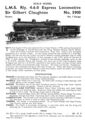 Bassett-Lowke, LMS 5900 Claughton (BL-MR 1937-11).jpg 1,517 × 2,136; 557 KB
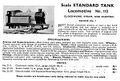 Bassett-Lowke, Standard Tank loco 112, gauge 1 (BL-MR 1937-11).jpg 1,200 × 810; 216 KB
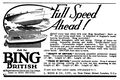 Bing British Boats (HW 1932-05-14).jpg 1,800 × 1,204; 860 KB
 Bing British logo (HW 1932-05-14).jpg 1,297 × 717; 120 KB
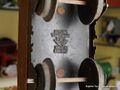 Bing BW embossed logo.jpg 1,600 × 1,200; 910 KB
 Bing BW page ornament (BTC).jpg 1,511 × 190; 53 KB
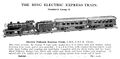 Bing Electric Express Train (BTC).jpg 1,407 × 695; 218 KB
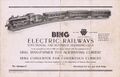 Bing Electric Railways.jpg 1,200 × 768; 172 KB
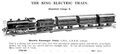 Bing Electric Train (BTC).jpg 1,417 × 635; 189 KB
 Bing Electric Trains, mains connection diagram.jpg 1,200 × 1,036; 157 KB
 Bing floor train toy 11-94 (BingCatFr 1925).jpg 2,235 × 613; 145 KB
 Bing logo, BW, Bing Werke 1924-.jpg 296 × 258; 9 KB
 Bing logo, GBN Bavaria.jpg 522 × 460; 34 KB
 Bing logo, GBN, 1902.jpg 620 × 476; 33 KB
 Bing Metropolitan Train (BTC).jpg 1,392 × 662; 201 KB
 Bing Miniature Clockwork Table Railways (BTC).jpg 1,426 × 2,203; 672 KB
 Bing Miniature Electric Table Railways (BTC).jpg 2,836 × 4,327; 920 KB
 Bing Miniature Railway, Bond's (MM 1935-11).jpg 1,138 × 748; 161 KB
 Bing Miniature Railway, lineart (MM 1935-11).jpg 1,176 × 834; 331 KB
 Bing Table Railway clockwork set, 1928 UK catalogue image.jpg 1,800 × 435; 214 KB
 Bing Table Railway electric set, 1928 UK catalogue image.jpg 1,800 × 319; 193 KB
 Bing Table Railway pieces (Collectors Market, 2015-11).jpg 2,000 × 1,124; 1.07 MB
 Bing Table Railway set 61-7300-3 (BingCatEn 1928).jpg 765 × 1,200; 319 KB
 Bing Tonneau with rear door (detail).jpg 1,024 × 768; 415 KB
 Bing Trains (BTC).jpg 2,175 × 1,692; 1.24 MB
 Bing, Fine Clockwork Railways.jpg 873 × 1,200; 132 KB
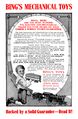 Bings Mechanical Toys, US advert (PopM 1915-12).jpg 581 × 890; 128 KB
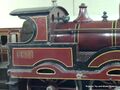 Black Prince loco MR 2631 (Bing, gauge 3).jpg 1,600 × 1,200; 1.13 MB
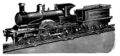 Black Prince loco, 1902 (Bing).jpg 1,600 × 753; 271 KB
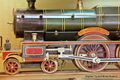 County of Northampton locomotive GWR 3410, gauge 3 (Bing for Bassett-Lowke).jpg 1,800 × 1,200; 1.42 MB
 Double-Phaeton clockwork car, 1905 (Bing).jpg 1,800 × 1,350; 951 KB
 Fine Model Steam Engines title page (BingCat 1906).jpg 1,198 × 1,600; 254 KB
 GBN Gebruder Bing Nuremberg, badge, 1906.jpg 1,362 × 1,017; 845 KB
 Gebruder Bing Nurnberg logo, GBN, color plaque.jpg 600 × 452; 149 KB
 Gebruder Bing, 1902 catalogue.jpg 908 × 1,200; 159 KB
 George the Fifth loco 2663, detail (Bing for Bassett-Lowke).jpg 1,024 × 768; 419 KB
 George the Fifth loco 5320, cab side (Bing for Bassett-Lowke).jpg 1,024 × 768; 565 KB
 George the Fifth loco 5320, engine (Bing for Bassett-Lowke).jpg 1,024 × 640; 525 KB
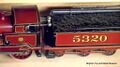 George the Fifth loco 5320, tender (Bing for Bassett-Lowke).jpg 1,024 × 575; 462 KB
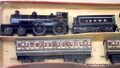 George the Fifth train set, early N-scale, detail (Bing).jpg 1,024 × 576; 386 KB
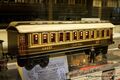 Great Central Railway coach, gauge1, 1904 (Bing for Bassett-Lowke).jpg 2,000 × 1,334; 1.63 MB
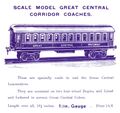 Great Central Railway coaches (BLCat 1904).jpg 2,000 × 1,876; 643 KB
 GWR 2936 loco 'Titley Court' (Bing for Bassett-Lowke, gauge 1).jpg 800 × 600; 264 KB
 King Arthur loco, gauge 1 (Bing for Bassett-Lowke).jpg 1,200 × 900; 544 KB
 King Arthur locomotive SR 453, gauge 1 (Bing for Bassett-Lowke).jpg 1,024 × 576; 421 KB
 Lamp-post, Bing 10-629 (BingCatFr 1925).jpg 299 × 762; 26 KB
 Level Crossing, Bing Table Railway 3302-28 (BingCatEn 1928).jpg 427 × 411; 73 KB
 Lilliput Express accessories for Bing 500-504 (BingCatFr 1925).jpg 1,200 × 648; 111 KB
 Lilliput Express logo 1925.jpg 989 × 190; 40 KB
 Lilliput Express set 500, Bing (BingCatFr 1925).jpg 1,186 × 778; 220 KB
 Lilliput Express set 503, Bing (BingCatFr 1925).jpg 1,208 × 1,480; 536 KB
 Lilliput Express set 504, Bing (BingCatFr 1925).jpg 1,200 × 655; 191 KB
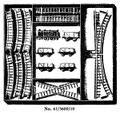 LMS clockwork freight train set, Bing Table Railway 61-3600-10 (BingCatEn 1928).jpg 1,200 × 1,134; 380 KB
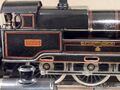 LNWR 2222 Sir Gilbert Claughton locomotive (Bing for Bassett-Lowke).jpg 800 × 600; 292 KB
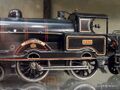 Locomotive LNWR Precursor 513 (Bing for Bassett-Lowke).jpg 1,200 × 900; 615 KB
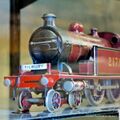 Locomotive MR 2178, gauge 1 (Bing for Bassett-Lowke).jpg 1,200 × 1,199; 908 KB
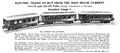 Metropolitan Railway electric train set, Bing gauge 0 (BingCatEn 1928).jpg 2,600 × 1,150; 626 KB
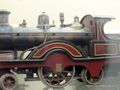 Midland Railway 4-2-2 loco, gauge 2 (Bing).jpg 1,200 × 900; 663 KB
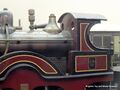 MR 4-2-2 Steam loco (Bing).jpg 1,600 × 1,200; 1.29 MB
 Ocean liner Imperator - Berengaria, Bing 10-334-16 (BingCat 1927).jpg 3,881 × 2,557; 1.5 MB
 Ocean Liner, Bing Second Series.jpg 901 × 1,600; 812 KB
 Ocean Liner, Bing Third Series, Imperator-Berengaria.jpg 1,600 × 947; 860 KB
 Open Goods Truck, Bing Table Railway 3302-24 (BingCatEn 1928).jpg 406 × 315; 32 KB
 Passenger Car, Bing Table Railway 3302-4 (BingCatEn 1928).jpg 333 × 325; 35 KB
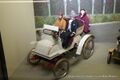 Phaeton clockwork model car, 1902 (Bing).jpg 1,200 × 800; 387 KB
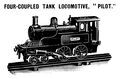 Pilot 4-4-0 locomotive, Bassett-Lowke 1904 catalogue, cropped.jpg 2,369 × 1,569; 436 KB
 Pilot 4-4-0 locomotive, Bassett-Lowke 1904 catalogue, small.jpg 988 × 324; 57 KB
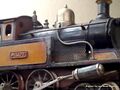 Pilot steam locomotive (Bing, gauge 2).jpg 1,600 × 1,200; 1.11 MB
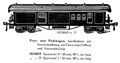 Post und Packwagen, Bing 10-540 (BingCat 1927).jpg 2,113 × 1,112; 409 KB
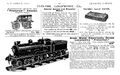 Precursor (GamagesC 1910s).jpg 1,600 × 1,003; 370 KB
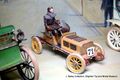 Racing car 71, clockwork, 1904 (Bing).jpg 1,800 × 1,200; 1.05 MB
 Rolling Stock and Accessories, Bing Table Railway (BingCatEn 1928).jpg 1,200 × 726; 365 KB
 Signal Box, Bing Table Railway 3302-26 (BingCatEn 1928).jpg 465 × 389; 64 KB
 Sir Alexander locomotive GC 1014 (BLcat 1904).jpg 2,200 × 1,263; 637 KB
 Sir Alexander locomotive GC 1014, page (BLcat 1904).jpg 1,800 × 1,100; 365 KB
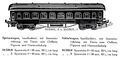 Speisewagen und Schlafwagen, Bing 10-538 10-539 (BingCat 1927).jpg 2,337 × 1,128; 516 KB
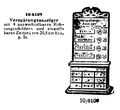 Station sign board, Bing 10-6109 (BingCat 1928).jpg 811 × 745; 108 KB
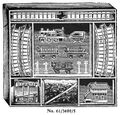 Tender clockwork train set, Bing Table Railway 61-3600-5 (BingCatEn 1928).jpg 1,200 × 1,151; 506 KB
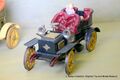 Tonneau clockwork car, 1906 (Bing 14001-2).jpg 1,800 × 1,200; 865 KB
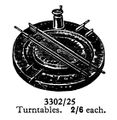 Turntable, Bing Table Railway 3302-25 (BingCatEn 1928).jpg 545 × 557; 78 KB
 Vertical Steam Engine (MLCat ~1920).jpg 1,600 × 931; 187 KB
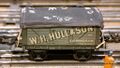 WH Hull goods wagon (Bing for Bassett-Lowke).jpg 1,024 × 577; 373 KB
 Windmill 17 02 (Bing).jpg 1,067 × 1,600; 632 KB
.jpg)
.jpg)
.jpg)
.jpg)
.jpg)

.jpg)
.jpg)

.jpg)

.jpg)


.jpg)
.jpg)
.jpg)
.jpg)
.jpg)


.jpg)
.jpg)
.jpg)
.jpg)

.jpg)
.jpg)
.jpg)
.jpg)
.jpg)
.jpg)


.jpg)
.jpg)
.jpg)
.jpg)
.jpg)
.jpg)
.jpg)
.jpg)
.jpg)
.jpg)
.jpg)
.jpg)
.jpg)

.jpg)
.jpg)
.jpg)
.jpg)
.jpg)
.jpg)
.jpg)
.jpg)
.jpg)
.jpg)
.jpg)
.jpg)


.jpg)
.jpg)
.jpg)


.jpg)
.jpg)
.jpg)
.jpg)
.jpg)
.jpg)
.jpg)
.jpg)
.jpg)
.jpg)
.jpg)
.jpg)
.jpg)
.jpg)
.jpg)
.jpg)
.jpg)